

|
This post may contain affiliate links, which means that we may receive a commission if you make a purchase using these links. As an Amazon Associate, we earn commission from qualifying purchases.
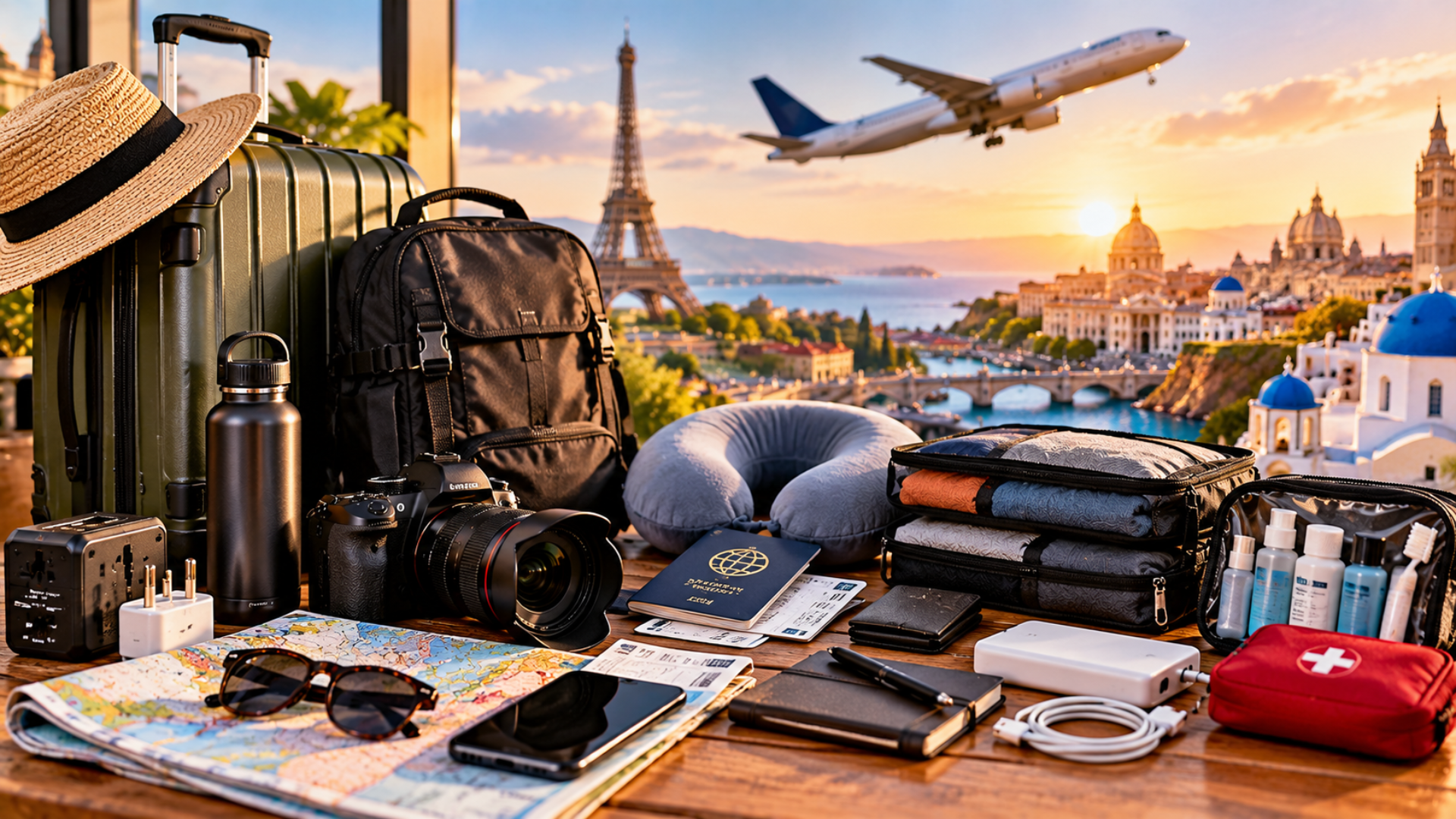
Planning your first international trip is thrilling, but it also comes with a layer of preparation that domestic travel rarely demands. Between passports, currency, connectivity, and packing for a completely different environment, it’s easy to feel like you’re forgetting something important.
The good news is that most first-time travelers run into the same handful of problems, and nearly all of them can be avoided with the right preparation and a few well-chosen products. This guide walks through everything worth having sorted before you head to the airport, so you can spend your energy enjoying the destination instead of scrambling to fix avoidable mistakes.
1. A Valid Passport (With Plenty of Validity Left)
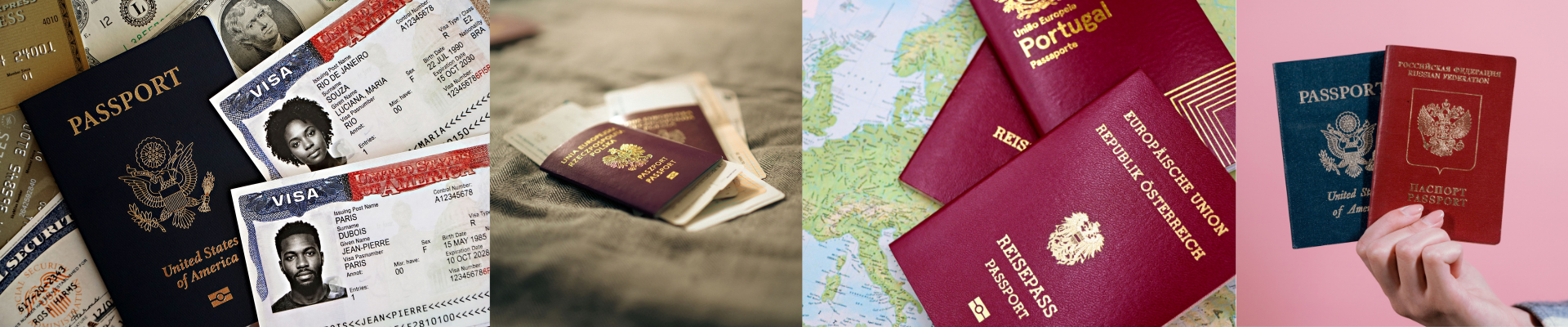
Your passport is the single most important item on this list, and it’s worth checking it well before you book anything. Many countries require your passport to be valid for at least six months beyond your date of entry, and some airlines will refuse boarding if yours doesn’t meet that requirement. If your passport is expired or close to expiring, renewal can take several weeks or longer, so this is the first thing to verify.
If you don’t have a passport yet, apply as early as possible, since processing times vary and peak travel seasons can slow things down considerably. Once you have it, take a clear photo of the photo page and store a copy in a secure cloud folder, and leave a physical photocopy with someone you trust at home. If your passport is ever lost or stolen abroad, having these copies makes the replacement process at an embassy far less stressful.
2. Visas and Entry Documents
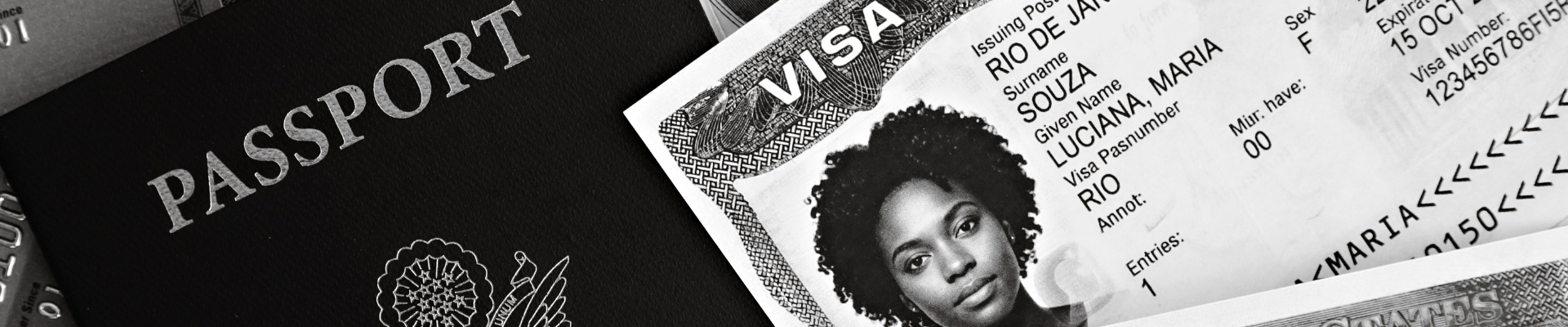
Depending on your citizenship and destination, you may need a visa, an electronic travel authorization, or proof of onward travel before you’re allowed to enter. Requirements differ widely from country to country, and they can change, so always check the official government or embassy website for your destination rather than relying on a blog post or a friend’s past experience.
Some visas can be obtained online within a few days, while others require an in-person appointment or several weeks of processing. Print copies of any approvals and keep digital versions on your phone as well, since border officials or airline staff may ask to see them at check-in or on arrival. Also check whether your destination requires proof of a return ticket, accommodation bookings, or sufficient funds.
3. Travel Insurance

Travel insurance is easy to skip when you’re focused on flights and hotels, but it’s one of the most valuable protections you can buy for an international trip. A good policy can cover emergency medical care, trip cancellations, delayed or lost baggage, and even emergency evacuation, all of which can be extremely expensive to handle out of pocket in a foreign country. Your regular health insurance often provides little or no coverage abroad, which catches many first-time travelers off guard.
When comparing plans, read the details on what’s actually covered, including pre-existing conditions, adventure activities, and the limits on medical expenses. A cheap policy with low coverage caps may not help much in a serious situation. Keep a digital copy of your policy number and the insurer’s emergency contact information somewhere easy to reach, since you’ll want it quickly if something goes wrong.
4. A Travel-Friendly Debit or Credit Card

Not all bank cards work well overseas, and some charge foreign transaction fees of around three percent on every purchase, which adds up quickly over a longer trip. A card with no foreign transaction fees is one of the simplest ways to save money, and many travel-focused cards also offer perks like purchase protection or travel insurance benefits.
Always notify your bank of your travel dates before you leave, since sudden overseas transactions can trigger fraud alerts that freeze your card at the worst possible time. It’s also wise to bring a backup card from a different bank or network, stored separately from your main one, so a single lost or blocked card doesn’t leave you without access to money.
5. Local Currency in Small Amounts
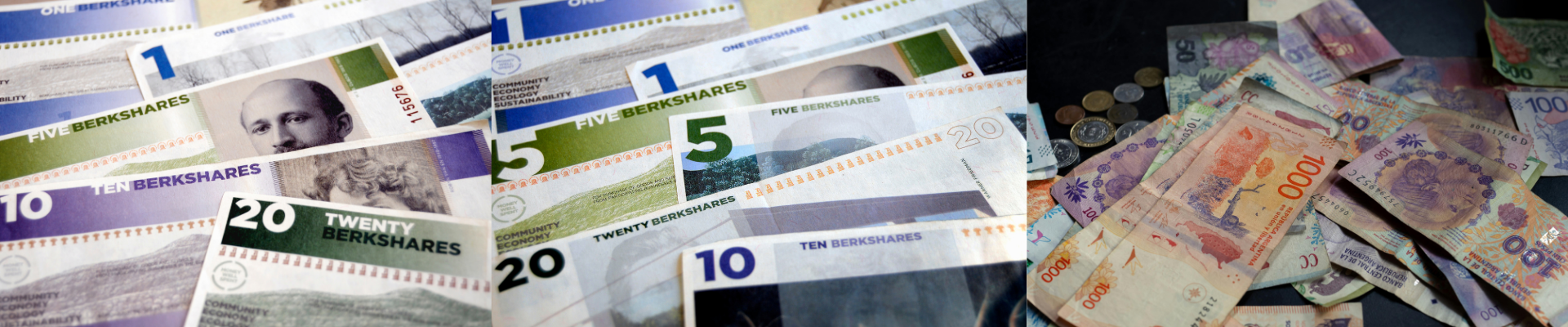
While cards are widely accepted in many places, cash is still essential in others, especially for markets, small restaurants, public transport, and tips. Arriving with a modest amount of local currency means you can pay for a taxi or a snack immediately without hunting for an ATM in an unfamiliar airport.
Airport currency exchange counters generally offer poor rates, so it’s usually better to withdraw a small amount from a local ATM after landing, or order a small amount from your bank before you leave. Avoid carrying large sums of cash. A modest amount for the first day or two, combined with a card, is a balanced approach that keeps you flexible without creating unnecessary risk.
6. A Universal Travel Adapter
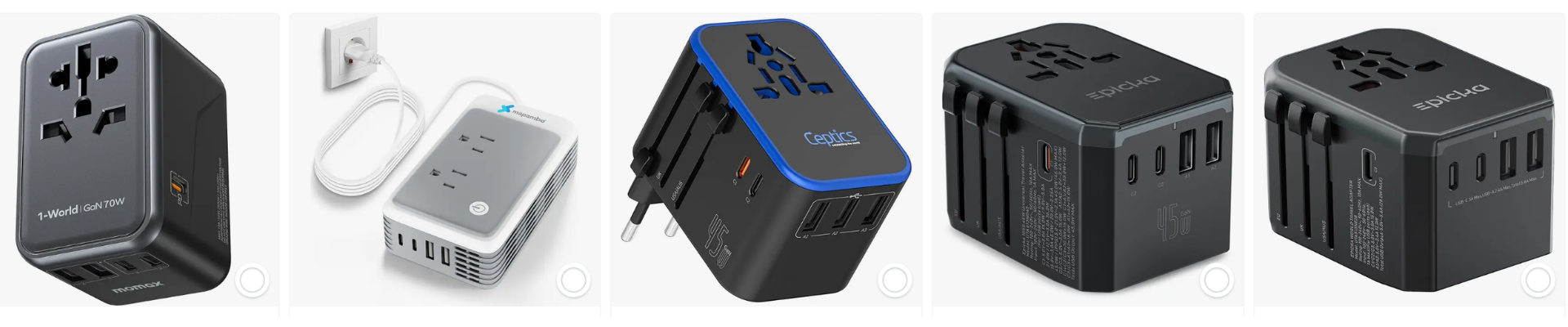
Electrical outlets vary significantly around the world, and a plug that works perfectly at home may not fit anything in your destination. A universal travel adapter solves this by supporting multiple plug types in a single compact device, making it a smart choice if you plan on visiting more than one country.
Keep in mind that an adapter only changes the plug shape, not the voltage. Most modern phone and laptop chargers handle a wide voltage range, but items like hair dryers and some electric shavers may not, and plugging them into the wrong voltage can damage them. Look for an adapter with built-in USB ports and surge protection so you can charge several devices from a single outlet, which is especially handy in hotel rooms with limited sockets.
7. A Portable Power Bank
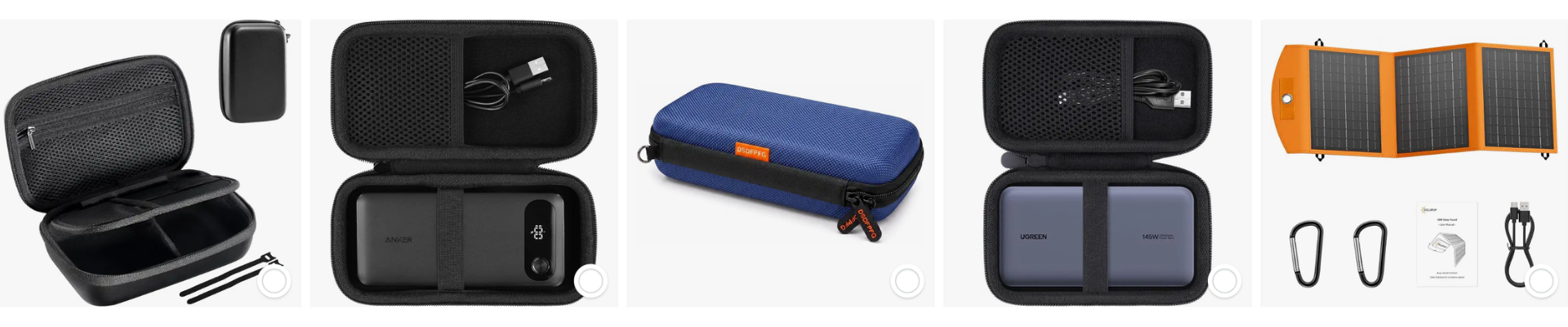
Long travel days drain your phone quickly, especially when you’re using maps, translation apps, and photos all day. A portable power bank makes sure your phone stays alive when you need it most, whether that’s navigating an unfamiliar train station or showing a digital boarding pass at the gate.
Choose a power bank with enough capacity for at least two full phone charges, and check your airline’s rules, since power banks must be carried in your cabin baggage rather than checked luggage. Charging it fully each night before a travel day becomes a helpful habit that prevents stressful moments when your battery is nearly empty and you’re far from your accommodation.
8. A Local eSIM or International Data Plan
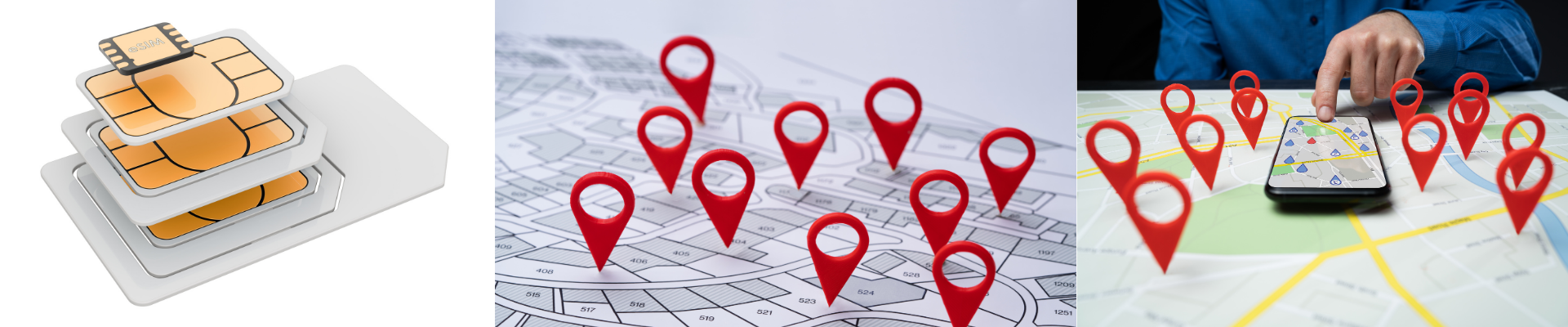
Staying connected abroad is more than a convenience, it’s how you access maps, translate signs, call a ride, and contact your accommodation. Relying on your home carrier’s roaming rates can lead to surprisingly high bills, so it’s worth exploring alternatives before you leave.
An eSIM lets you purchase a data plan for your destination and activate it digitally, often before you even land, if your phone supports it. Alternatively, a local physical SIM card can be purchased at the airport or a nearby shop, or your carrier may offer an affordable international add-on. Whichever option you choose, set it up in advance where possible so you have working data the moment you arrive.
9. Essential Travel Apps
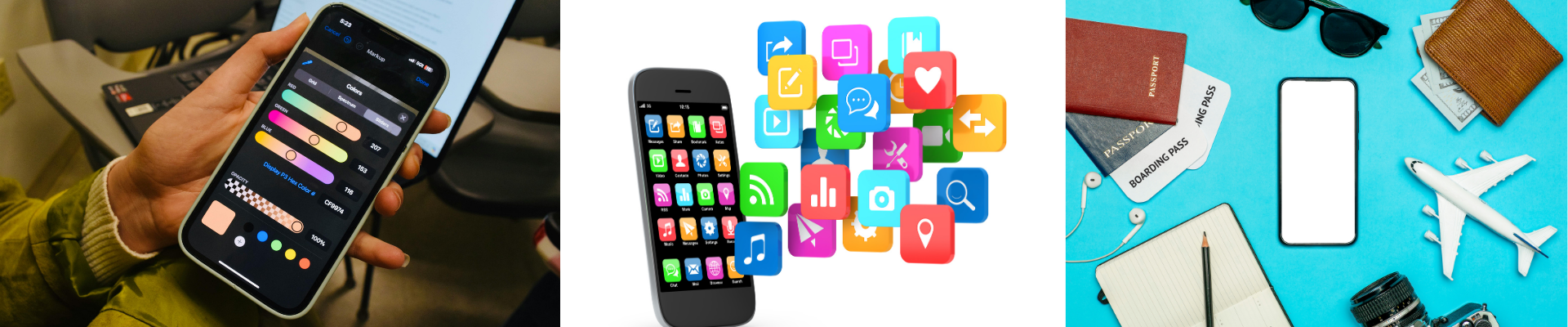
Your phone can replace a surprising number of travel tools if you load it with the right apps before you go. Offline maps let you navigate without data, translation apps help with menus and signs, and currency converter apps keep you from overpaying or misjudging prices in an unfamiliar currency.
It’s also worth downloading your airline’s app, your accommodation’s booking details, and any local transport or ride-hailing apps popular in your destination. Download everything you need while you’re on reliable Wi-Fi at home, and save key documents for offline access. That way, a weak signal or a dead zone won’t leave you stuck without directions or confirmations.
10. The Right Luggage

Your luggage choice affects your entire trip, from how easily you move through airports to how stressful it is to navigate cobblestone streets or crowded public transport. A durable carry-on-sized suitcase or backpack is often the best option for first-time travelers, since it keeps you mobile, avoids checked baggage fees, and eliminates the risk of lost luggage.
If you need a larger bag , choose one with sturdy wheels, reinforced zippers, and a design that’s easy to identify on a busy baggage carousel. Whatever you choose, check your airline’s size and weight limits before you pack, since overweight fees can be steep. Packing lighter than you think you need to is a lesson almost every seasoned traveler wishes they’d learned earlier.
11. Packing Cubes
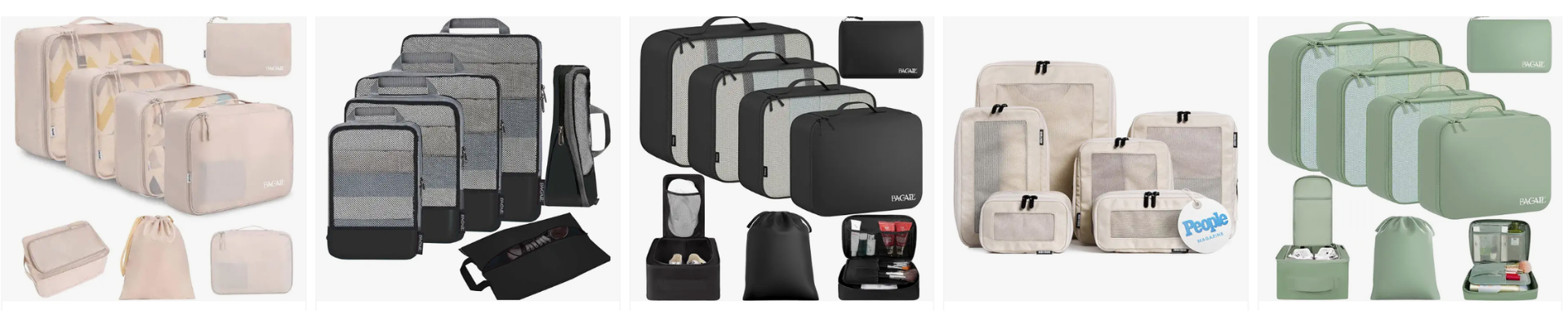
Packing Cubes are one of those inexpensive items that make a bigger difference than you’d expect. They compress your clothes, keep categories separated, and make it easy to find what you need without unpacking everything each time you change accommodations.
Beyond organization, parketing cubes make repacking much faster, and they help you stay within weight and space limits by encouraging you to pack deliberately. Many travelers use one cube for tops, another for bottoms, and a smaller one for underwear and socks. A separate bag for dirty laundry also keeps used clothes from mixing with clean ones as the trip goes on.
12. A Secure Crossbody Bag or Anti-Theft Daypack
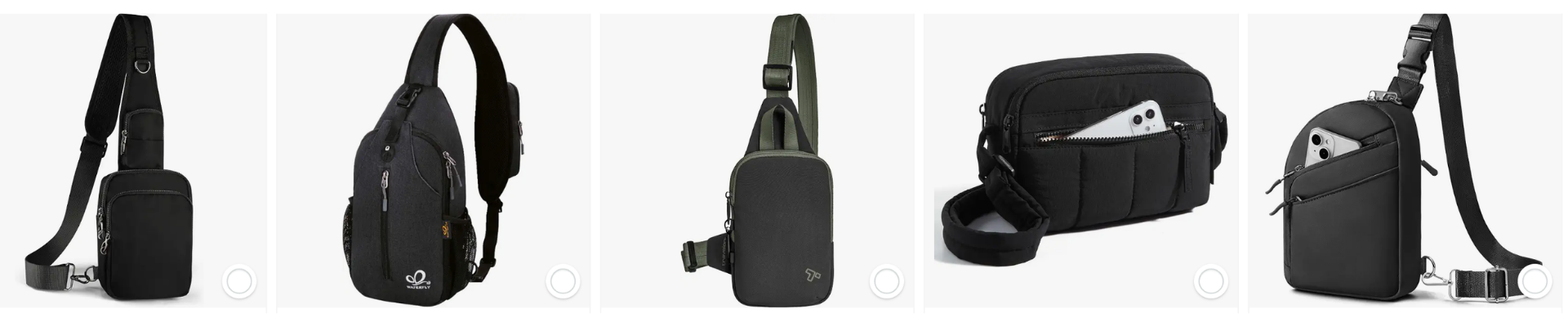
Tourist areas can attract pickpockets, so having a bag that keeps your valuables secure is a smart precaution. A crossbody bag or anti-theft daypack with zippered compartments, slash-resistant materials, or hidden pockets makes it much harder for someone to grab your belongings unnoticed.
Wear your bag in front of you in crowded places, and avoid keeping your passport, wallet, and phone all in the same pocket. Many travelers also use a slim money belt or hidden pouch to store a backup card and a small amount of emergency cash. The goal isn’t to be paranoid, just to make yourself a less convenient target.
13. A Reusable Water Bottle

Staying hydrated on long flights and busy sightseeing days matters more than most people realize, and a reusable water bottle helps you do it without constantly buying bottled water. Some travelers prefer a collapsible bottle that packs down small when empty, which is especially convenient for airport security, where you’ll need to empty it before screening and refill it afterward.
In destinations where tap water isn’t safe to drink, consider a bottle with a bottle with a built-in filter or purification tablets , which can save you money and reduce plastic waste. Check local guidance on water safety before you go, since conditions vary widely and an upset stomach can derail a trip quickly.
14. A Basic Travel Health Kit
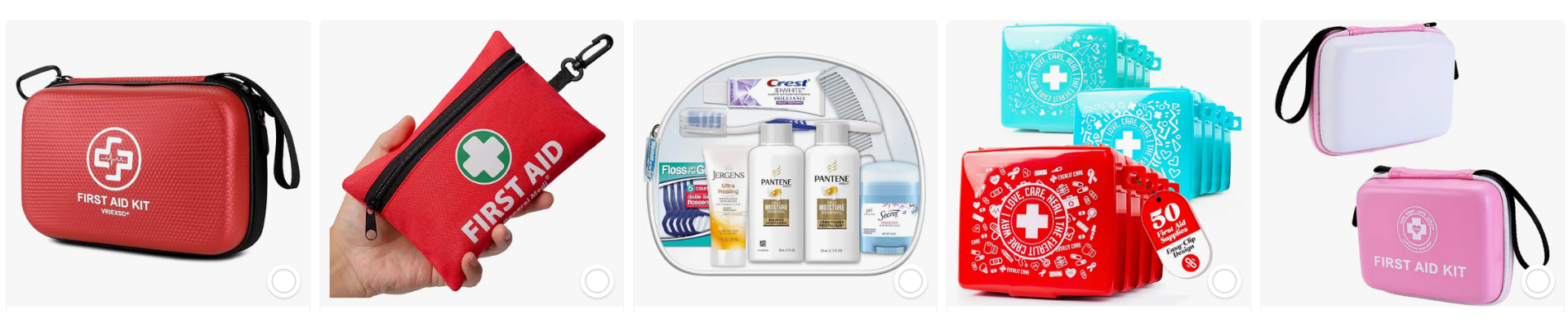
Getting sick abroad is stressful, and finding the right medication in an unfamiliar language and pharmacy system can be difficult. A small travel health kit with pain relievers , anti-diarrheal medication , motion sickness tablets , antihistamines , bandages , and any personal prescriptions covers most minor problems without a scramble.
Keep prescription medications in their original packaging, and carry a copy of the prescription or a doctor’s letter if needed, since rules about certain medications vary between countries. It’s also worth checking whether your destination recommends any vaccinations, and scheduling a visit with your doctor or a travel clinic well before departure, since some vaccines require multiple doses spaced weeks apart.
15. A Travel Neck Pillow and Comfort Essentials

If your journey involves a long flight, a few comfort items can make a noticeable difference in how you feel when you land. A neck pillow , an eye mask , and a pair of earplugs or noise-canceling headphones help you rest in a noisy, cramped cabin, making it easier to adjust to a new time zone.
Bringing a light scarf or layer is also helpful, since cabin temperatures fluctuate, and compression socks can reduce swelling and discomfort on long-haul flights. These items are small and inexpensive, but they can turn a draining journey into a much more manageable one, leaving you with more energy for your first day at your destination.
Final Thoughts
You don’t need to buy every item on this list to have a smooth first international trip. Prioritize the essentials that can genuinely stop you from traveling, like a valid passport, the right entry documents, and travel insurance, then build out the rest based on your destination and travel style.
Most of the stress associated with international travel comes from last-minute surprises, and nearly all of them can be avoided by preparing early and keeping copies of your important documents. A little planning up front means more freedom to be spontaneous once you arrive.