

|
This post may contain affiliate links, which means that we may receive a commission if you make a purchase using these links. As an Amazon Associate, we earn commission from qualifying purchases.
Camping for the first time can feel overwhelming once you start looking at gear lists online. Some are way too minimal, others try to sell you equipment meant for multi-week backcountry expeditions when all you need is a solid weekend at a campsite. This guide breaks down exactly what a beginner actually needs, why it matters, and what to look for when buying it.
1. A Reliable Tent
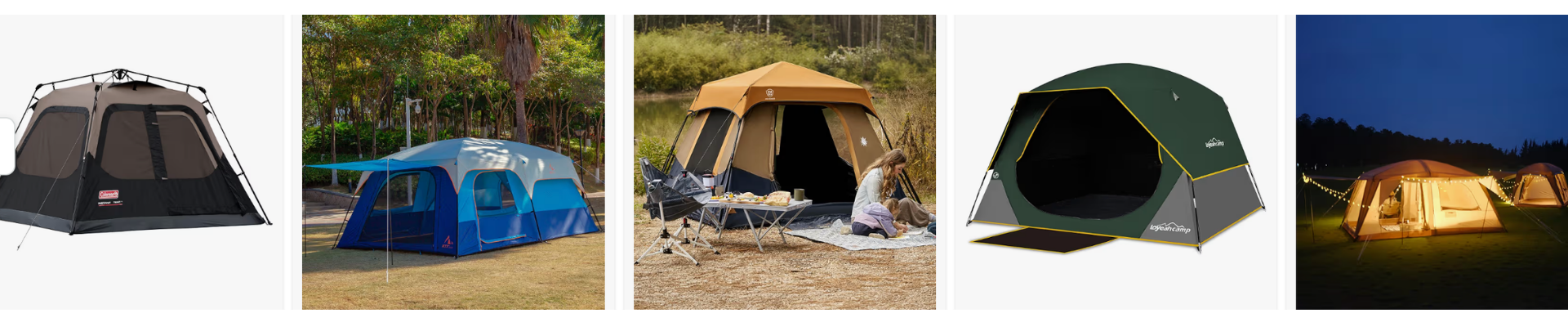
Your tent is your home base, so it’s worth getting right. For beginners, a 3-season tent that fits one or two more people than your group size is a good rule of thumb, since it gives you room for gear storage inside. Look for a tent that’s easy to set up solo, has a full-coverage rainfly, and has good ventilation to prevent condensation buildup overnight. Freestanding tents are more forgiving for beginners because they don’t require staking to hold their shape.
2. A Sleeping Bag Rated for the Right Temperature
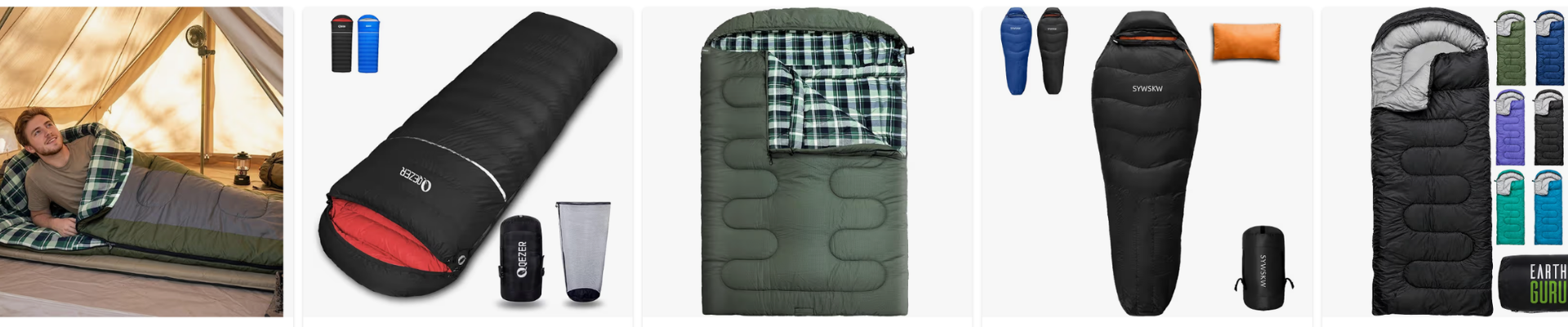
This is one of the most commonly underestimated purchases. Sleeping bags are rated by temperature, and you want one rated at least 10 degrees lower than the coldest temperature you expect to encounter. Nights are almost always colder than you think, even in summer. Mummy-style bags trap heat more efficiently, while rectangular bags offer more room to move if you tend to feel claustrophobic.
3. A Sleeping Pad or Air Mattress
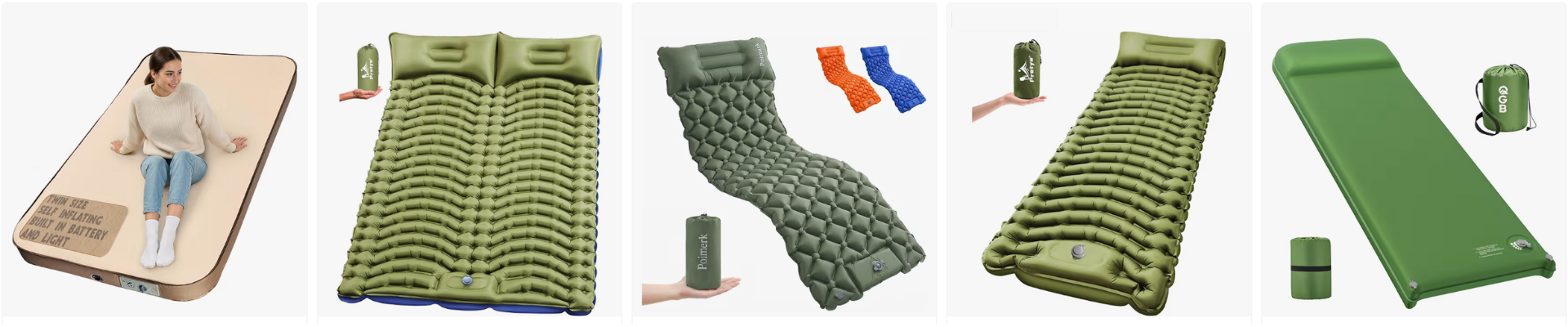
Don’t skip this one. A sleeping bag alone won’t insulate you from the cold ground, and the ground will pull heat away from your body all night. Foam pads are cheap and durable, while inflatable pads pack smaller and offer more cushioning. Camping air mattresses are also an option if you’re car camping and want a more mattress-like feel.
4. A Camp Stove and Fuel
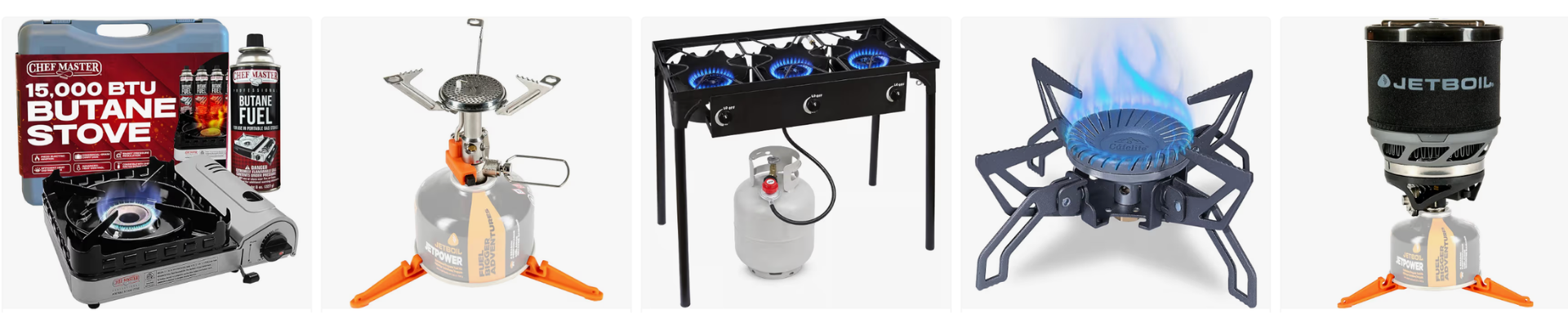
Unless you’re planning to cook exclusively over a fire, a portable camp stove makes meal prep dramatically easier. A simple two-burner propane stove is ideal for car camping, while a compact single-burner stove works well if you’re keeping things minimal. Always pack extra fuel canisters , since running out mid-trip is a common rookie mistake.
5. Cookware and Eating Utensils
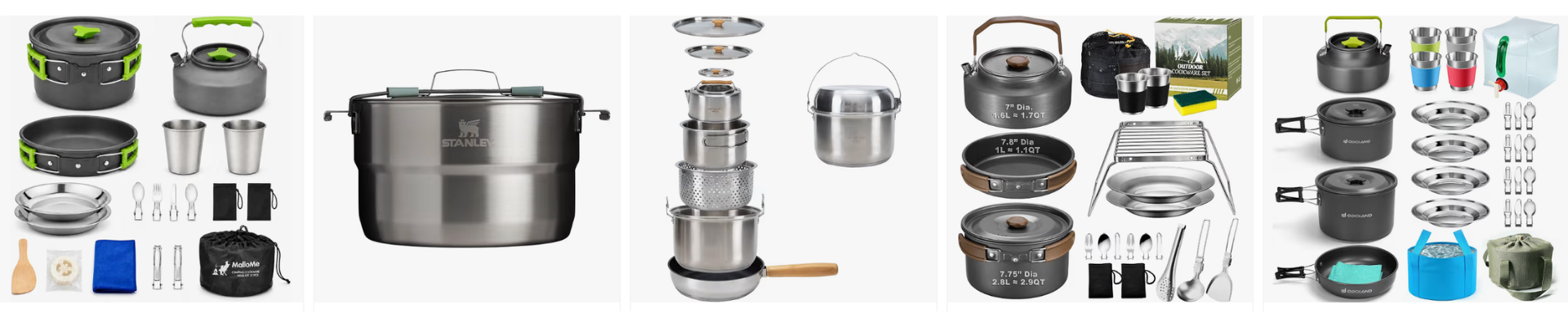
A basic camping cookware set with a pot, pan, and a couple of utensils covers most beginner meals. Look for lightweight, durable options like anodized aluminum or stainless steel. Don’t forget a set of reusable plates , plates , and utensils , along with a small dish soap and sponge for cleanup.
6. A Cooler
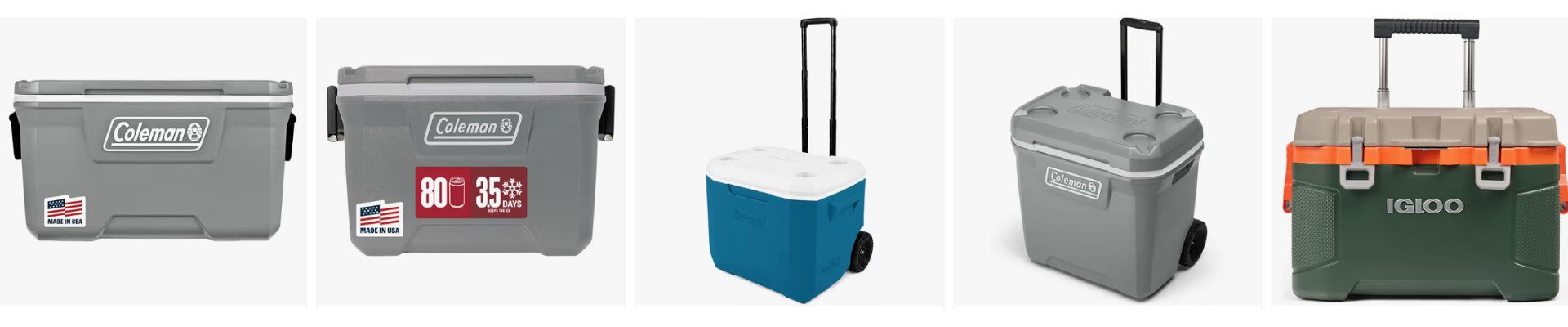
Keeping food and drinks cold isn’t just about comfort, it’s about food safety. A hard-sided cooler with good insulation will keep ice solid for a couple of days, which matters if you’re camping for more than one night. Pack it strategically with drinks near the top and perishables lower down where it stays coldest.
7. A Reliable Light Source
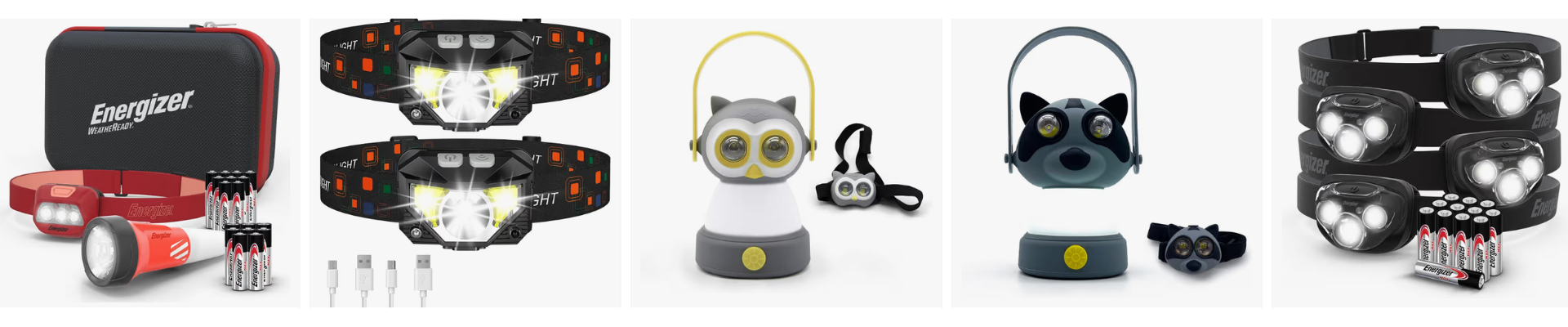
Once the sun goes down at a campsite, it gets dark fast and completely. A headlamp is the most practical choice because it keeps your hands free for cooking, setting up, or walking to the bathroom at night. A lantern is also worth having for lighting up the inside of your tent or the picnic table during dinner.
8. Fire-Starting Supplies
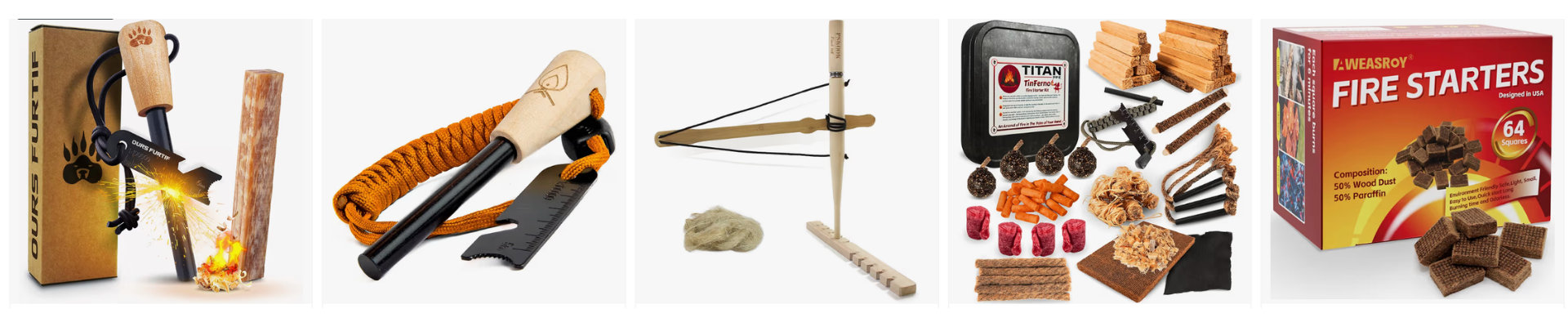
Even if the campsite has a fire pit, you’ll need supplies to actually get a fire going. Waterproof matches Waterproof matches or a reliable lighter , along with fire starter cubes or dryer lint , make the process far less frustrating than trying to light damp kindling from scratch. Always check local fire regulations before your trip, since some areas have burn bans depending on the season.
9. A First Aid Kit
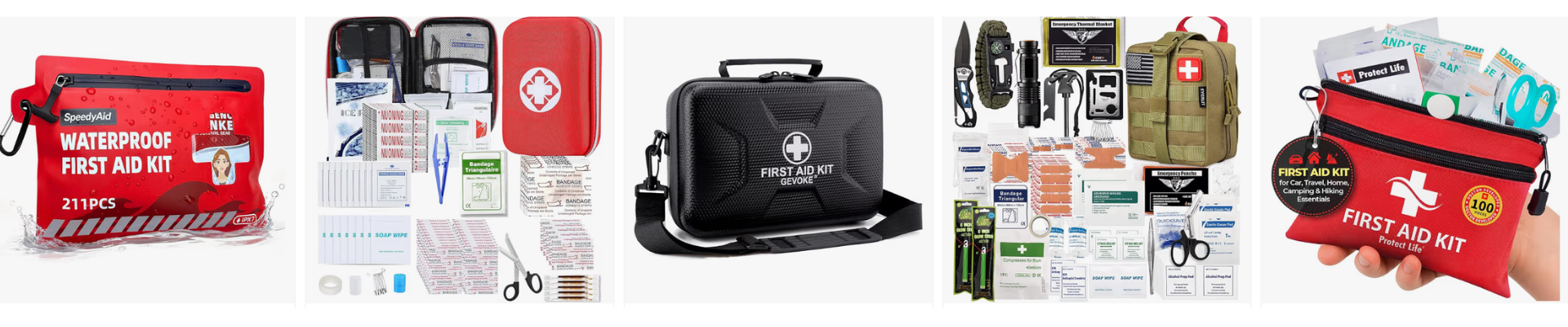
This is easy to overlook until you actually need it. A basic kit with bandages , antiseptic wipes , tweezers , pain relievers , and blister treatment covers most minor incidents. If you’re camping somewhere remote, consider adding a more comprehensive kit with items for sprains or allergic reactions.
10. Weather-Appropriate Clothing
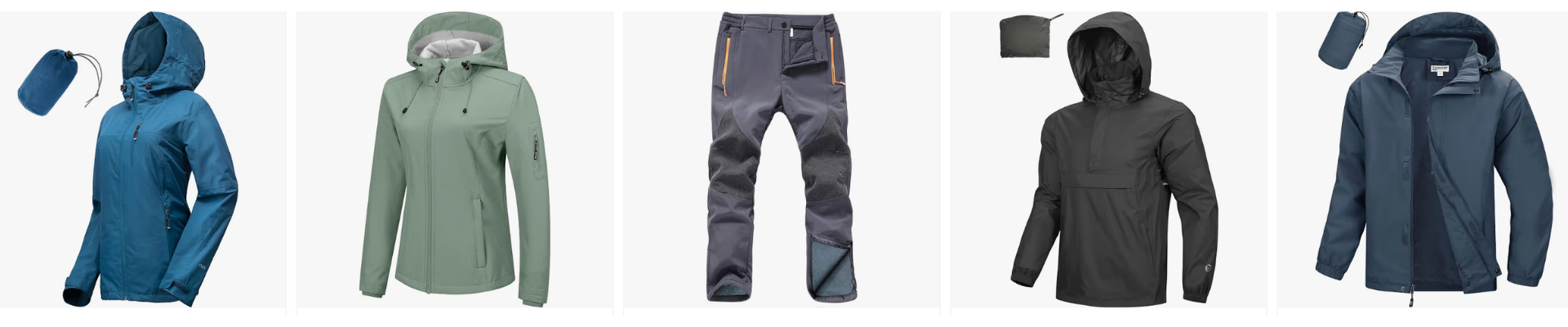
Layering is the golden rule of camping clothing . A moisture-wicking base layer , an insulating mid layer , and a waterproof outer layer will keep you comfortable regardless of what the weather does. Don’t forget wool socks , since cold, wet feet can ruin a trip faster than almost anything else.
11. A Multi-Tool or Knife
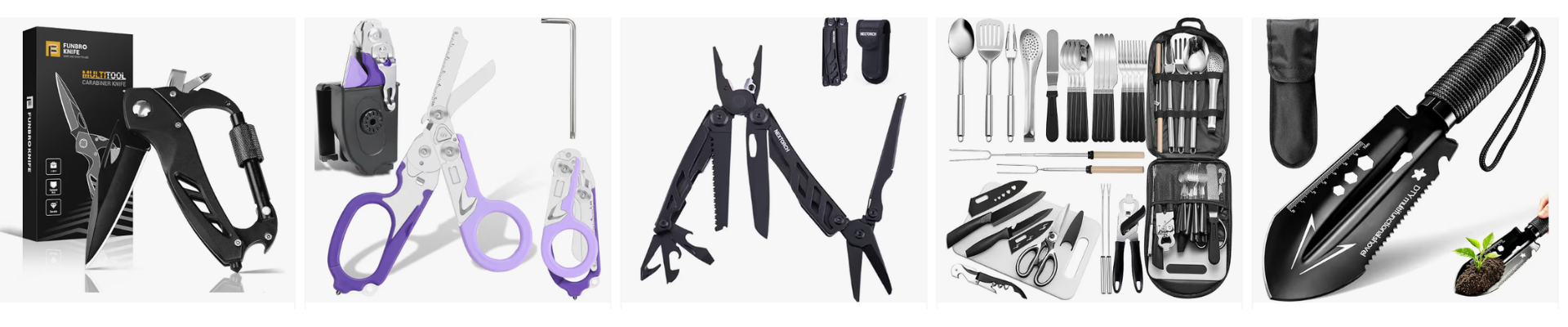
A good multi-tool handles everything from food prep to gear repairs to general camp tasks you didn’t anticipate needing. It’s one of those items that seems unnecessary until the moment you desperately need pliers or scissors and don’t have anything else on hand.
12. A Water Filtration System or Enough Stored Water
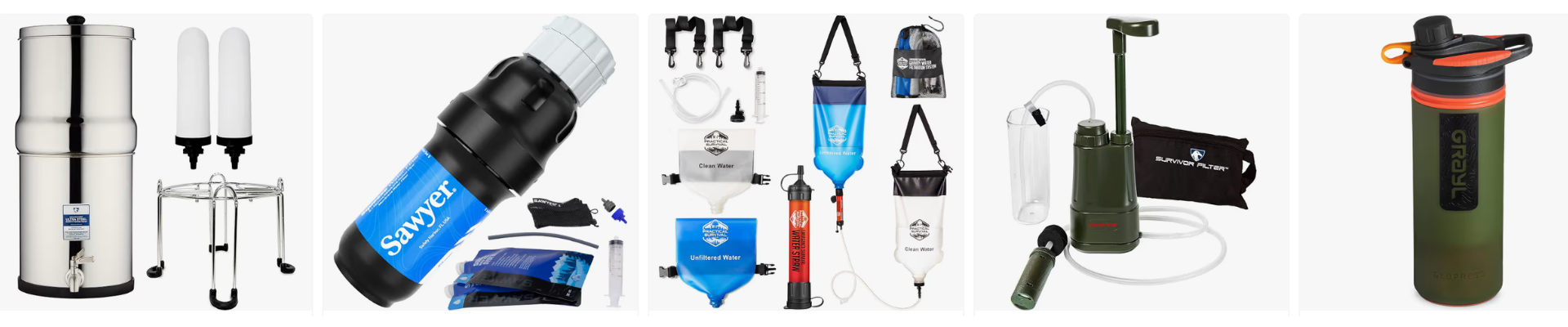
If your campsite doesn’t have a clean water source, you’ll need to bring enough water for drinking, cooking, and basic cleanup, generally about a gallon per person per day. If you’re near a natural water source, a portable water filter or purification tablets are a smart backup, especially for longer trips.
13. A Portable Power Bank
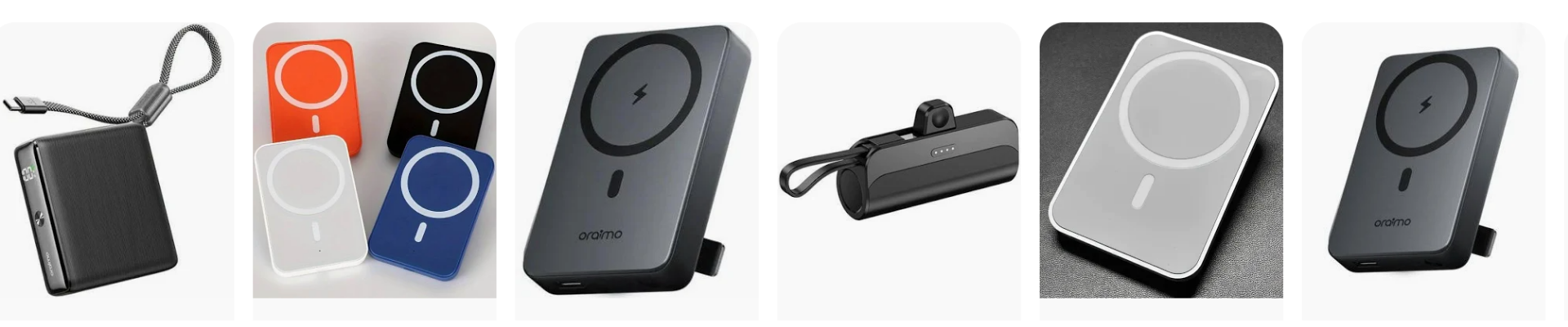
Even if you’re trying to unplug, having a charged phone for emergencies, navigation, or photos is important. A portable power bank rated for a couple of full phone charges is usually enough for a weekend trip. Solar-powered options are worth considering if you’re camping for multiple days.
14. Bug Repellent and Sun Protection
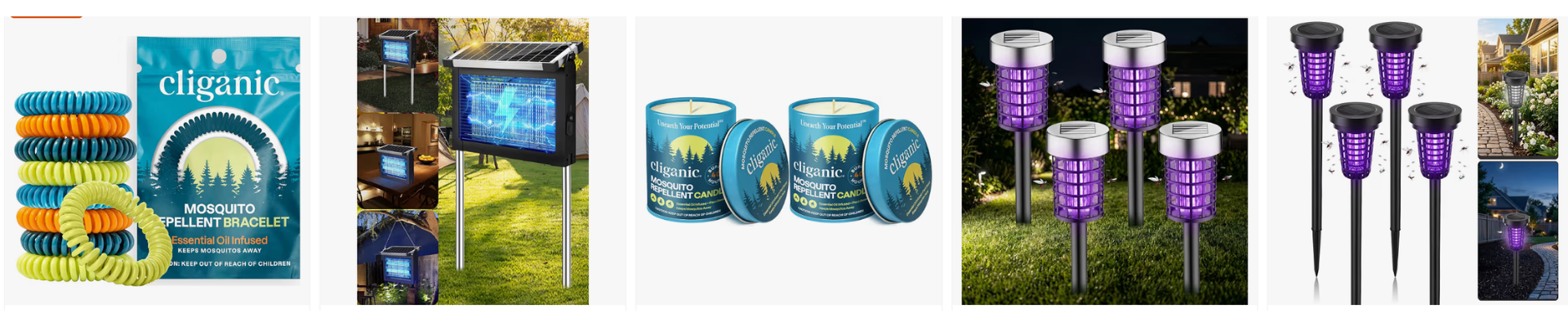
Few things ruin a camping trip faster than a swarm of mosquitoes or a bad sunburn. Pack insect repellent with DEET or a natural alternative depending on your preference, along with sunscreen , a hat , and sunglasses . Reapply both more often than you think you need to.
15. A Camp Chair
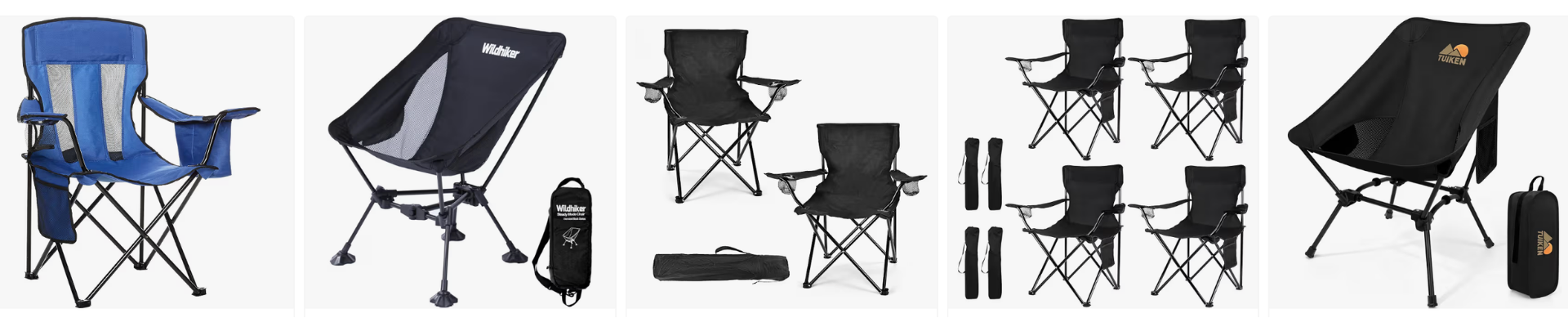
After a day of hiking or setting up camp, having a comfortable place to sit makes a bigger difference than people expect. Lightweight folding chairs with a cup holder and some back support go a long way toward making your campsite feel like an actual living space instead of just a place to sleep.
16. Trash Bags and a Small Shovel
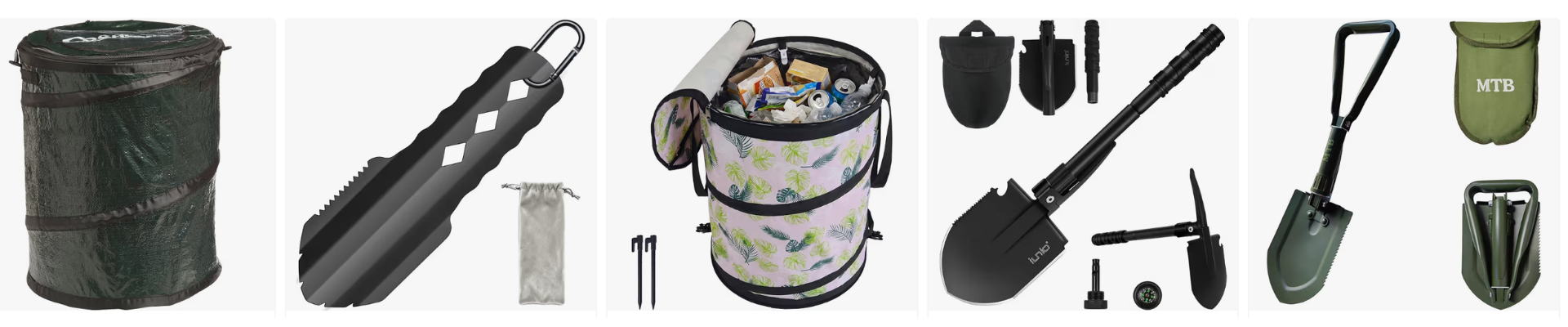
Leave No Trace principles matter, both for the environment and for keeping campsites usable for everyone. Pack extra trash bags for your own waste, and if you’re camping somewhere without bathroom facilities, a small trowel is essential for burying human waste properly and hygienically.
17. A Physical Map or Downloaded Offline Navigation
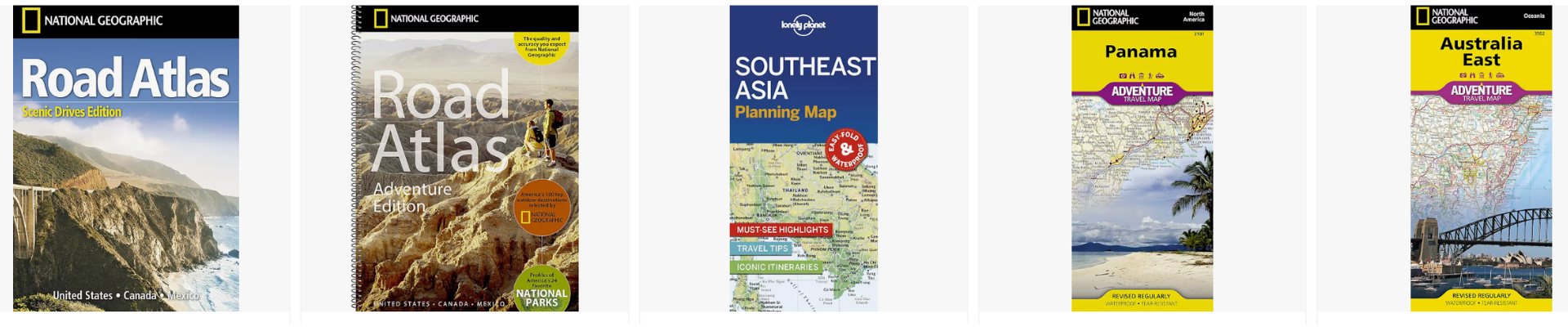
Cell service is unreliable in a lot of camping areas, so don’t rely on your phone alone. A paper map of the area, or a navigation app with offline maps downloaded in advance, ensures you can still find your way if you lose signal.
Final Thoughts
The key to a good first camping trip isn’t buying every piece of gear on the market, it’s covering the essentials that keep you warm, fed, hydrated, and safe.
Start with a solid tent , sleeping setup , and cooking gear , then build out from there based on the specific environment and length of your trip. Once you’ve got a few trips under your belt, you’ll have a much clearer sense of what gear is worth upgrading and what you genuinely don’t need.