

|
This post may contain affiliate links, which means that we may receive a commission if you make a purchase using these links. As an Amazon Associate, we earn commission from qualifying purchases.
Moving into your new apartment is a milestone, but it also comes with a surprising reality check: an empty space needs a lot more than a bed and a couch. Between kitchen basics, bathroom supplies, cleaning tools, and the small household items nobody thinks about until they’re missing, the list can feel endless and expensive.
The trick is to buy in the right order, focusing first on the things you’ll need on day one and then building out the rest as you learn how you actually live in your space. This guide walks through everything worth getting before you move in, so your first night feels like coming home instead of camping in an empty room.
1. A Bed, Mattress, and Quality Bedding
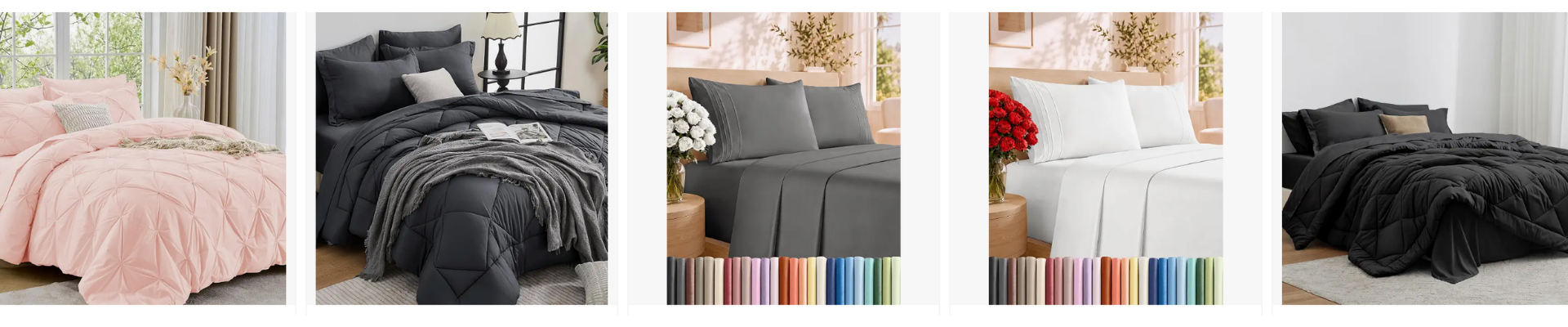
Your bed is the one piece of furniture you’ll need from the very first night, so it deserves priority in both your timeline and your budget. A comfortable mattress affects your sleep, your mood, and your energy, and sleeping on an air mattress for weeks while you wait on a delivery is a miserable way to start independent living. Order your mattress early, since delivery windows can stretch longer than expected, and measure your doorways, stairwells, and elevators before buying so it actually fits into your apartment.
Alongside the bed itself, invest in a mattress protector , two sets of sheets , a pillow or two, and a comforter that suits your climate. Having two sets of sheets means you can wash one while using the other, which saves you from a laundry scramble in the first week. A mattress protector is an inexpensive way to extend the life of your mattress and protect it from spills, allergens, and general wear, which matters even more if you’re renting and plan to move again in a year or two.
2. Basic Cookware and Bakeware
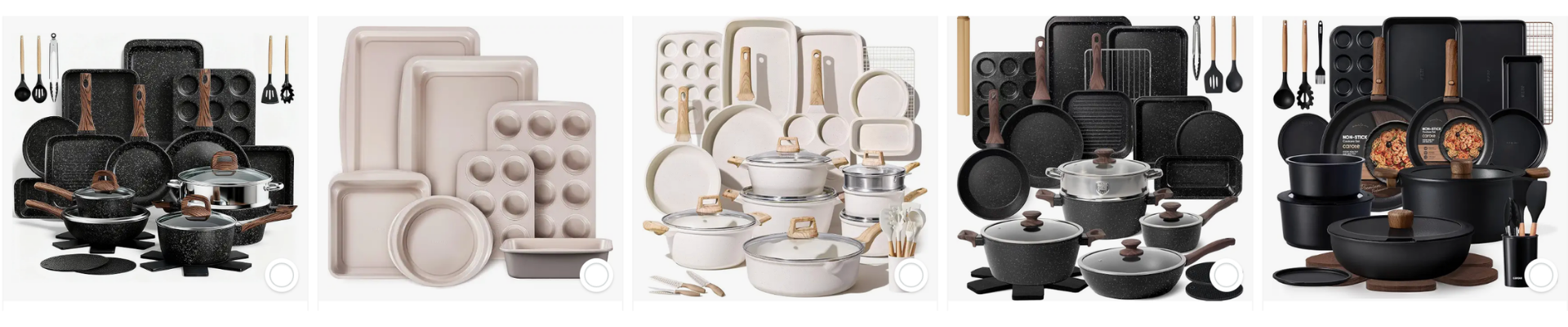
You don’t need a fully stocked professional kitchen, but a few reliable pieces of cookware will cover most of what you’ll cook in your first year. A good starter set typically includes a non-stick frying pan , a medium saucepan with a lid , a large pot for pasta or soup, and a baking sheet . These four items handle everything from scrambled eggs to roasted vegetables to a big batch of chili.
Resist the urge to buy a massive 20-piece set, since many of those pieces will sit unused in your cabinets. It’s usually smarter to buy a few quality pieces individually, then add specialty items as your cooking skills and interests develop. Stainless steel and cast iron last for years, while non-stick pans tend to wear out sooner, so consider replacing those more often and budgeting accordingly.
3. Dishes, Glasses, and Silverware
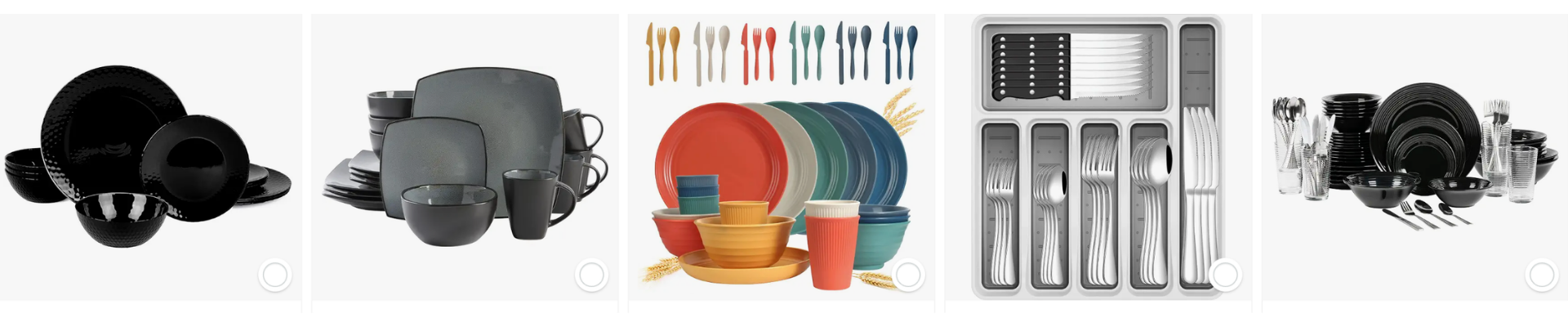
It’s tempting to grab whatever’s cheapest, but think about how many people you realistically expect to host. A set of four dishes , bowls , mugs , glasses , and utensils is usually enough for one or two people, with a few extras for guests. Durable materials like stoneware or tempered glass hold up better to the occasional drop than delicate ceramics.
If you’re sharing a space with roommates, consider coordinating so you’re not buying duplicates of everything. Buying a set that stacks neatly also helps if your kitchen has limited cabinet space, which is common in first apartments. A simple, neutral design makes it easy to replace individual pieces later without worrying about matching your whole collection.
4. Essential Kitchen Tools and Gadgets
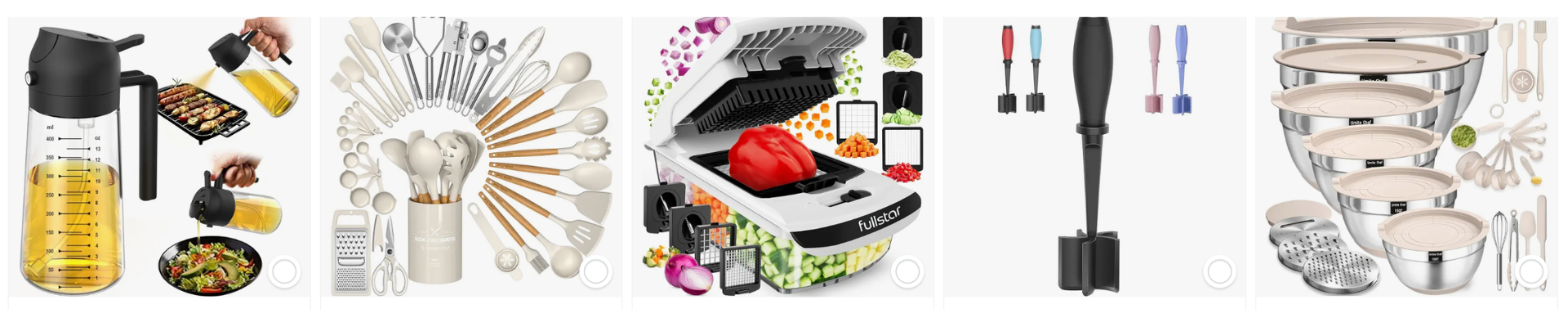
A handful of small tools make cooking dramatically easier. At minimum, you’ll want a sharp chef's knife , a paring knife , a cutting board , a can opener , a vegetable peeler , measuring cups and spoons , a spatula , a wooden spoon , tongs , and a colander . Of all these, a good chef’s knife is the one place where spending a bit more pays off, since a dull or poorly made knife is both frustrating and unsafe.
Don’t forget the less glamorous items like oven mitts , a kitchen timer , a bottle opener , and a set of mixing bowls . These are the things you’ll reach for constantly, yet they’re easy to overlook until you’re mid-recipe and realize you have no way to drain pasta. Keeping them in one drawer or on a hanging rail near your stove makes cooking feel smoother and more organized.
5. Food Storage Containers
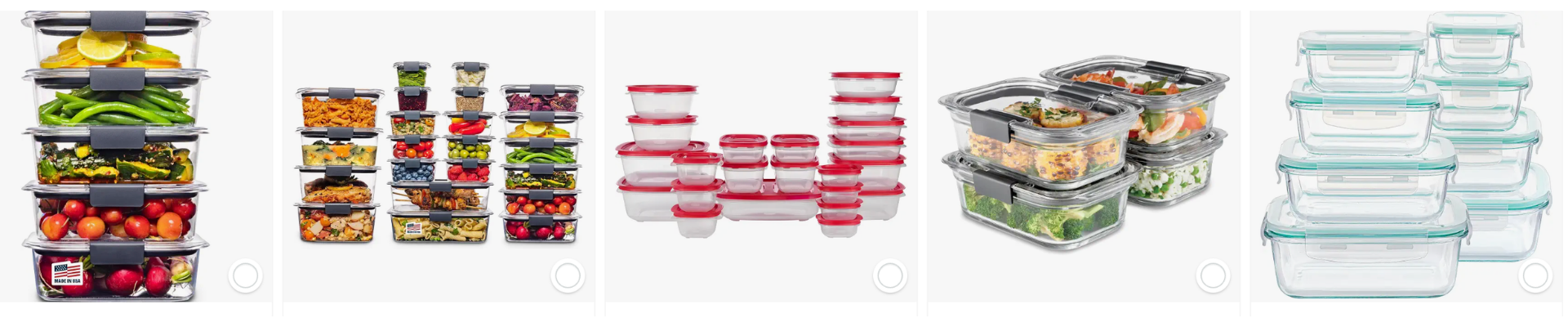
Leftovers and meal prep are a huge part of budget-friendly living, and good food storage containers make both easier. Look for a set of airtight containers in various sizes, ideally microwave and dishwasher safe, so you can store, reheat, and clean without transferring food between dishes.
Glass containers last longer and don’t stain or absorb odors the way cheaper plastic can, though they’re heavier and pricier. Plastic is lighter and better if you’re packing lunches regularly. Either way, buy a set where the lids nest or stack neatly , because a drawer full of mismatched lids is one of the most common sources of kitchen frustration.
6. Cleaning Supplies
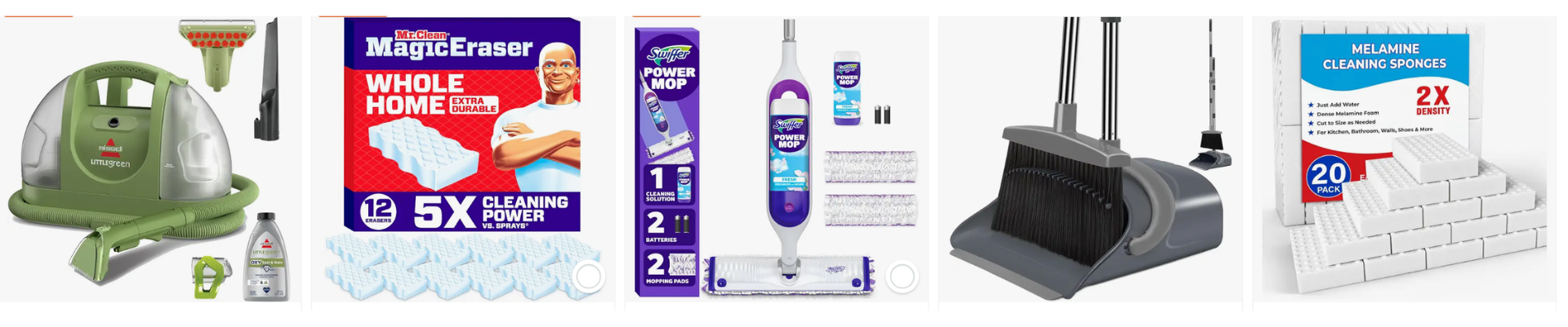
Before you move a single box in, you’ll want to clean the space, which means having your cleaning basics ready on moving day. A starter kit should include an all-purpose cleaner , glass cleaner , disinfectant wipes , dish soap , sponges , microfiber cloths , trash bags , and paper towels . Toilet cleaner and a brush are also non-negotiable.
For floors, you’ll need a broom and dustpan , plus either a mop or a vacuum depending on your flooring type. A compact vacuum is worth the investment, since carpets and rugs collect dust quickly. Keeping a small caddy of supplies under the sink makes it easy to do quick cleanups, and doing little jobs often is much easier than tackling a month of buildup in one exhausting weekend.
7. Bathroom Essentials
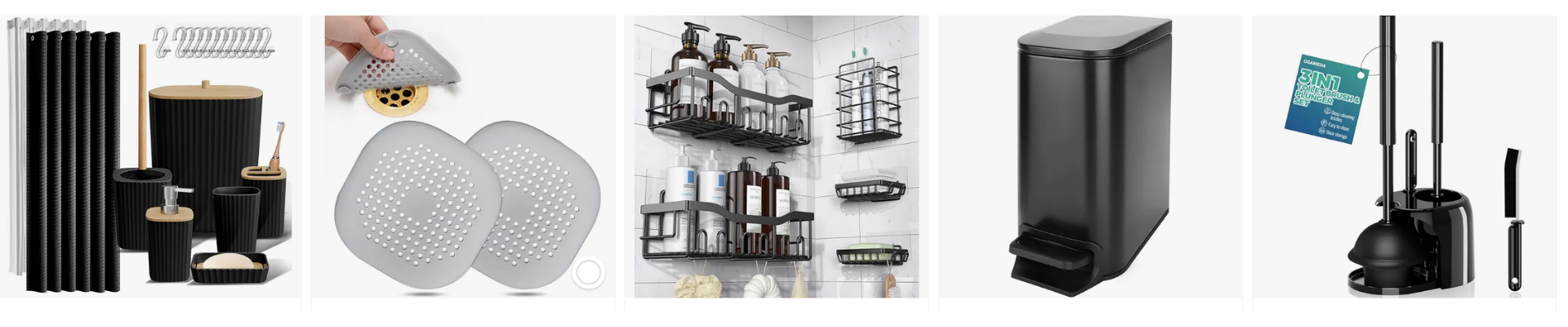
The bathroom is one of the first places you’ll need to be functional, so stock it before your first shower. Start with towels , bath mat , shower curtain and liner , shower curtain rings , a toilet paper holder if one isn’t installed, and a plunger . Having a plunger on hand before you need one is one of those small pieces of preparation you’ll be grateful for.
Add a trash can , a toothbrush holder , a soap dispenser , and some form of storage, such as an over-the-toilet shelf or a small cabinet, since many apartment bathrooms offer very little built-in space. Stock plenty of toilet paper and basic toiletries so you’re not making a late-night store run on your first evening.
8. Seating and Living Room Furniture
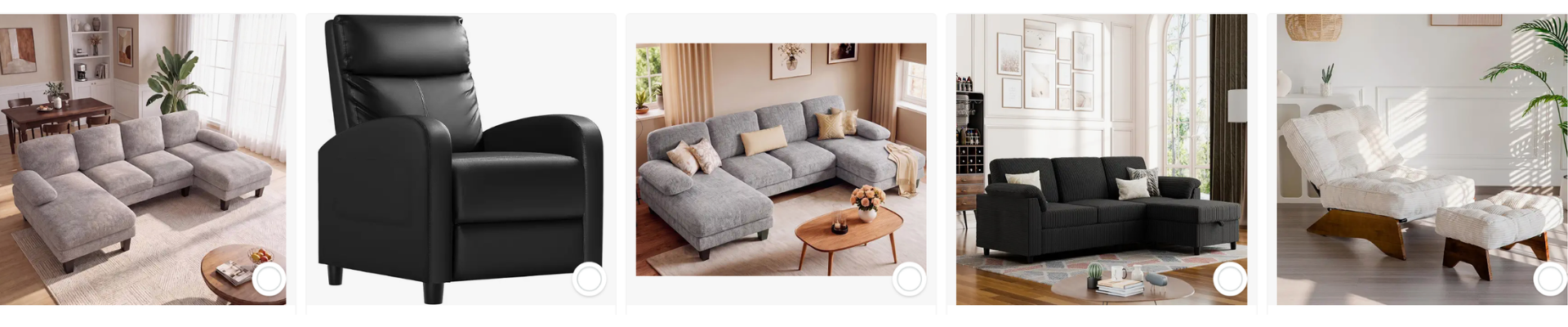
A couch or comfortable chair gives your apartment a place to relax, but buying furniture can quickly eat up your budget. Consider your layout and measure carefully before ordering, paying attention to how the furniture will get through your front door and up any stairs. A loveseat or small sectional often works better in a compact space than a full-size sofa.
Secondhand furniture is a smart way to save money, and many gently used pieces are just as durable as new ones. Check online marketplaces and local thrift stores, and always inspect upholstered items for pests or odors before buying. A coffee table or small side table gives you a place for drinks and remotes, and a rug can tie the room together while making it feel warmer and cozier.
9. A Desk or Dining Table
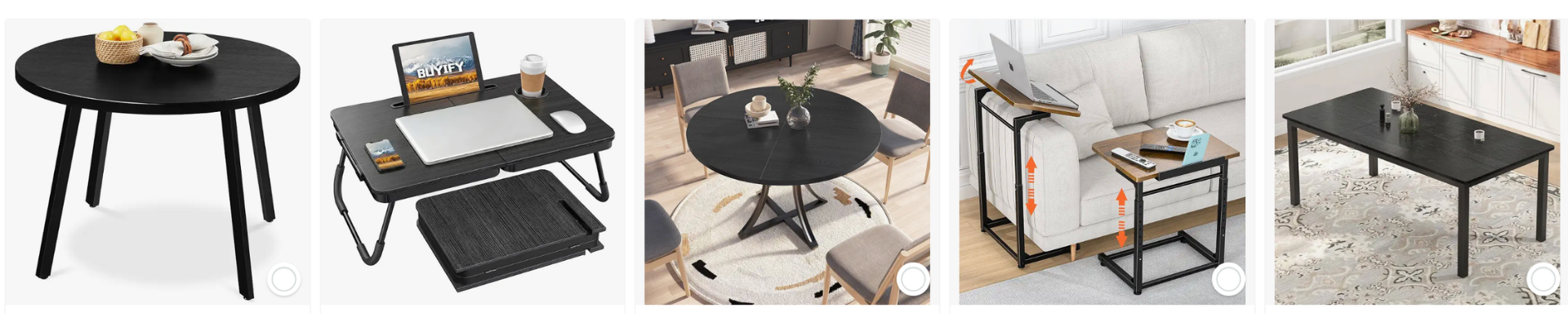
Even if you don’t plan to host dinner parties, you’ll want a surface for eating, working, or handling paperwork. A small dining table with a couple of chairs works well, and a compact desk or fold-down table is ideal if you’re short on space. Many people in small apartments use one piece for both purposes.
If you work or study from home, think seriously about an ergonomic setup , since hunching over a couch or bed quickly leads to back and neck pain. Even a simple desk with a supportive chair makes a noticeable difference in your focus and comfort. If space is very tight, consider furniture that folds away or doubles as storage .
10. Lighting
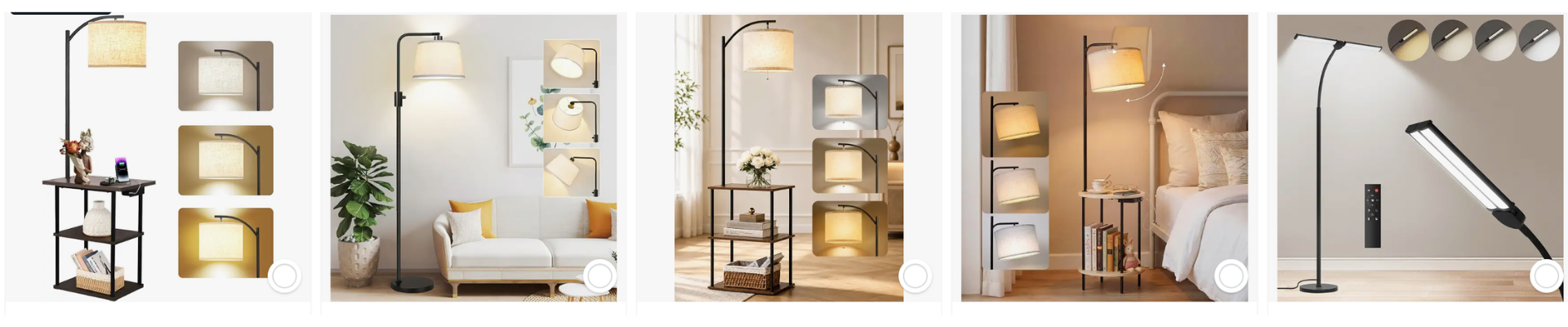
Apartments often come with a single overhead fixture per room, which can feel harsh and uninspiring. Adding lamps creates warmer, more flexible lighting, and it makes a space feel instantly more like home. A floor lamp for the living room, a table lamp for the bedroom, and a desk lamp for working cover most needs.
Choose bulbs with a warm color temperature for relaxing spaces and a cooler, brighter tone for task areas. Energy-efficient LED bulbs last far longer and cost less to run, which helps with your electric bill. Smart bulbs are a nice upgrade, but they’re optional and can be added later once your basics are covered.
11. Storage and Organization Solutions
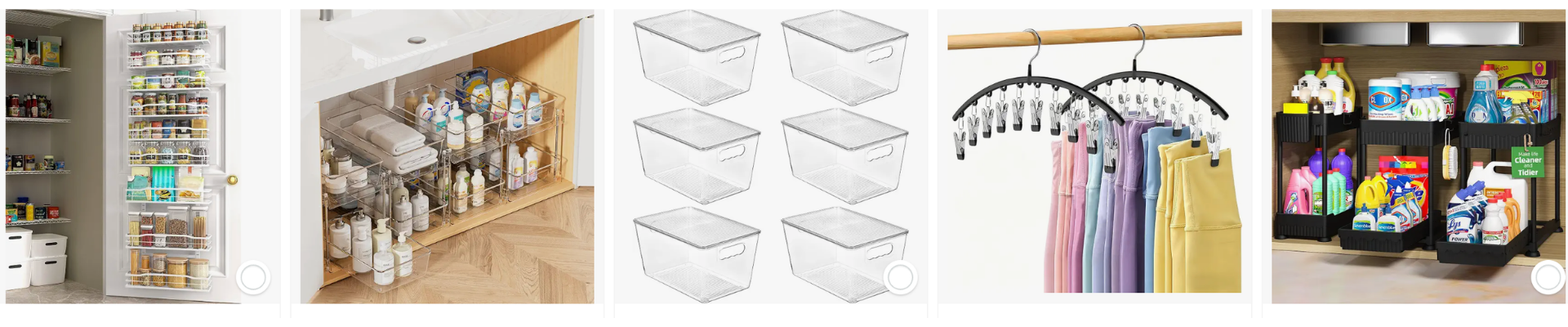
Small apartments run out of space quickly, so planning your storage early prevents clutter from taking over. Hangers , a laundry hamper , shelving units , under-bed storage bins , and over-the-door organizers all help you maximize every inch. Vertical storage is especially valuable, since walls offer space that floors can’t.
In the kitchen, a few risers , drawer dividers , or a small rolling cart can add valuable room for pantry items and tools. Keep your purchases practical rather than aesthetic at first, then upgrade to more stylish options once you understand where your clutter tends to build up. The goal is for everything to have a home, which makes daily tidying much easier.
12. A Basic Toolkit
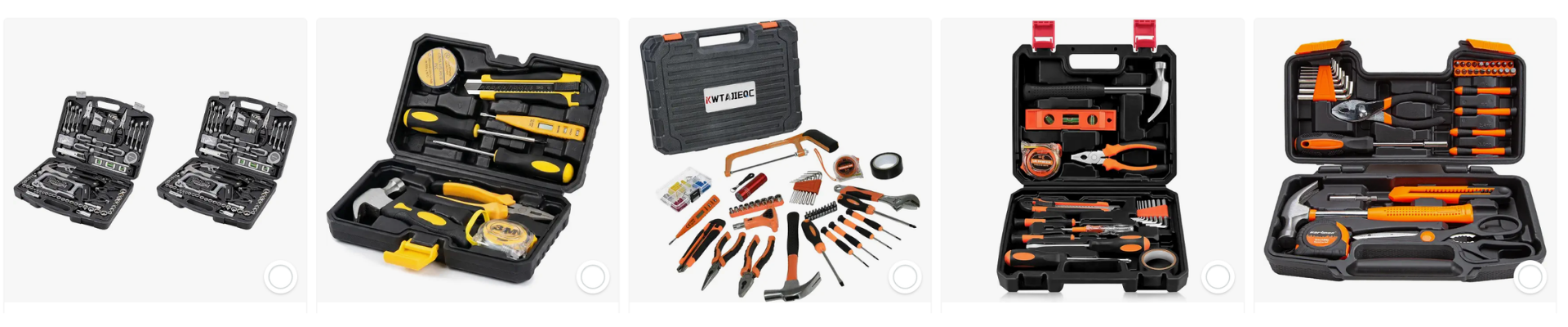
You’ll be surprised how often you need a few simple tools once you live on your own. Assembling furniture, hanging pictures, tightening a loose cabinet hinge, or fixing a wobbly chair all become easier with a small toolkit . A hammer, screwdriver set, adjustable wrench, pliers, tape measure, and a level cover most everyday jobs.
Add a few extras like picture hanging hooks, command strips, and a small box of assorted screws and nails. If you’re renting, check your lease before drilling holes in walls, since removable adhesive hangers are often a safer option. A flashlight belongs in this kit too, since you’ll be glad to have it during a power outage or when searching behind a dark cabinet.
13. Safety and Emergency Items
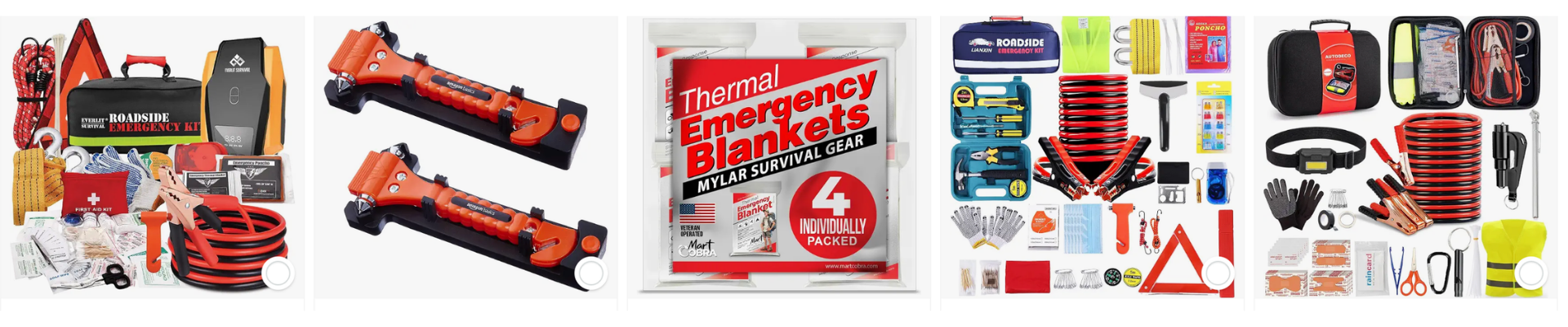
Your first apartment is a good time to think about basic safety, since you’re now the one responsible for it. Make sure you have working smoke detectors and carbon monoxide alarms , and test them when you move in. A small fire extinguisher kept in or near the kitchen and a basic first aid kit are inexpensive precautions with enormous potential value.
Keep a list of emergency contacts, your landlord’s number, and your renter’s insurance information somewhere easy to find. Speaking of which, renter’s insurance is typically affordable and covers your belongings in cases of theft, fire, or water damage, making it one of the smartest purchases for anyone renting. Many landlords require it anyway, so it’s worth sorting out before your move-in date.
14. Window Coverings and Privacy Items
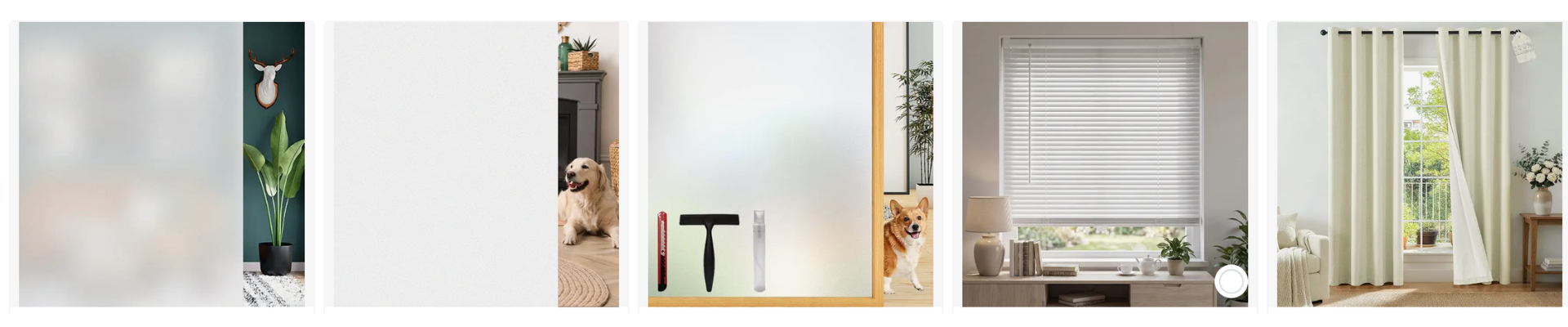
Some apartments come with blinds, but many don’t, and having no window coverings in your first week can feel exposed. Blinds or curtains give you privacy, help control light, and can reduce heating and cooling costs by blocking heat or insulating against cold. Blackout curtains are especially helpful for bedrooms, particularly if you work unusual hours or live on a lit street.
If you’re renting, tension rods and removable window film are good alternatives that don’t leave marks. Measure your windows before buying, since standard curtain sizes don’t fit every space. Choosing a neutral color is a safe bet if you expect to move again, since it will blend with almost any future apartment.
15. A Starter Stock of Pantry Basics
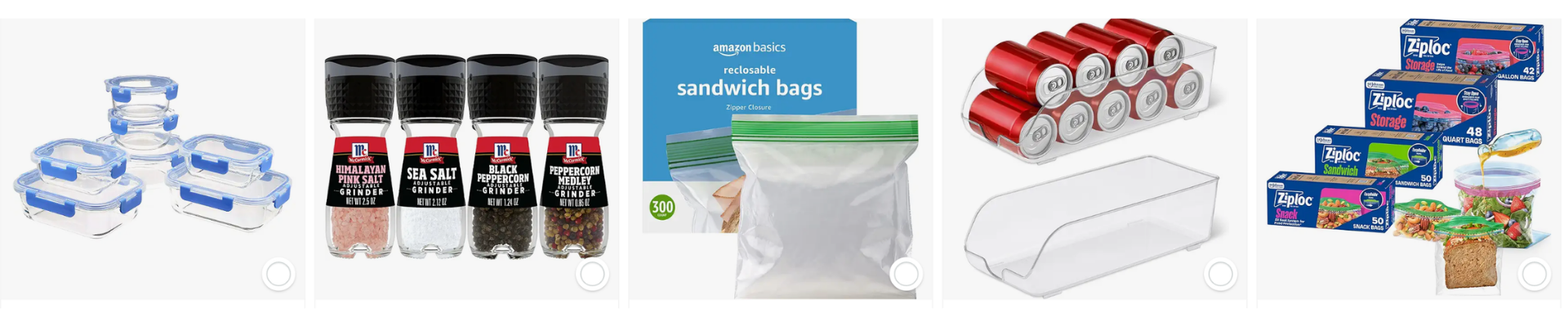
An empty kitchen on your first night means ordering takeout, which gets expensive fast. Having a few pantry basics ready lets you cook a simple meal right away. Good starters include cooking oil , salt , pepper , pasta , rice , canned tomatoes , coffee or tea , bread , eggs , and a few spices you use often.
Add some easy staples like peanut butter , cereal , frozen vegetables , and a few snacks so you’ve got options on busy days. Build your pantry gradually rather than stocking everything at once, which prevents waste and keeps your budget under control. Over time, you’ll learn which items you reach for most and can stock up on those.
Final Thoughts
You don’t need to buy everything on this list before your first night, and trying to do so is a quick way to blow your budget. Start with the essentials that make the apartment livable on day one, like a bed , bathroom basics , a few kitchen items , and cleaning supplies .
From there, add furniture and decor gradually as you learn how you actually use the space. A first apartment is a work in progress, and taking your time means the things you buy will be things you genuinely need and love.