

|
This post may contain affiliate links, which means that we may receive a commission if you make a purchase using these links. As an Amazon Associate, we earn commission from qualifying purchases.
Quick Navigation
Bringing home a new puppy is one of the most exciting things you can do, but it also comes with a surprisingly long list of things to prepare before that little bundle of energy walks through your front door. Puppies need more than just food and a place to sleep, they need an environment that supports safe exploration, consistent training, and the routine that will shape their behavior for years to come.
Getting your setup right from day one makes the entire transition smoother, both for your new puppy and for your own sanity during those chaotic first few weeks. This guide walks through everything worth having ready before your puppy arrives.
1. A Properly Sized Crate
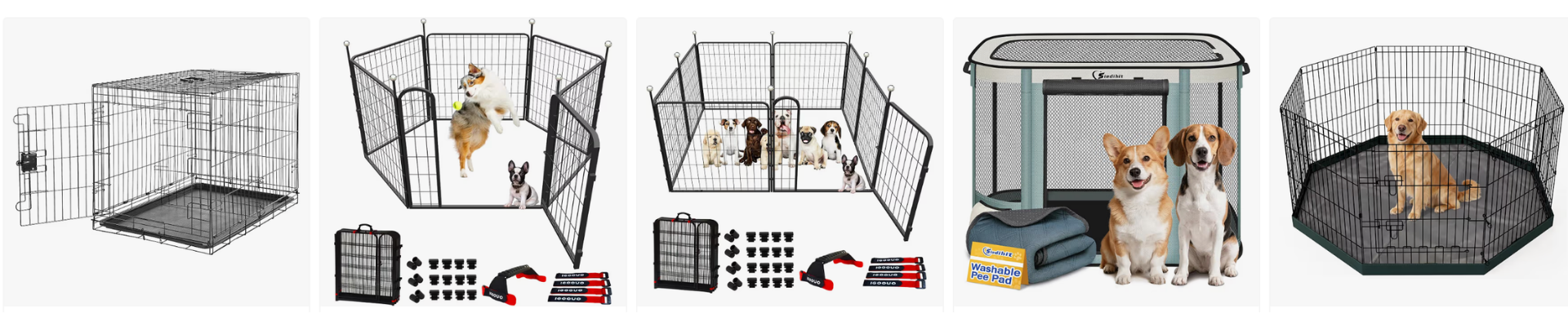
A crate is one of the most valuable tools you can have for a new puppy, both for housetraining and for giving them a safe, den-like space of their own. Dogs are naturally inclined to avoid soiling the area they sleep in, which makes crate training one of the most effective housetraining methods available. The crate should be just big enough for your puppy to stand up, turn around, and lie down comfortably, not larger, since too much space can undermine the housetraining benefit by giving them room to eliminate in one corner and sleep in another.
Since puppies grow quickly, many crates come with adjustable dividers that let you expand the usable space as your dog gets bigger, which saves you from buying multiple crates within the first year. Introduce the crate gradually and positively, using treats and short, calm sessions rather than forcing your puppy inside, so it becomes a space they associate with comfort and security rather than punishment. A well-used crate often becomes your dog’s favorite spot in the house well into adulthood.
2. Puppy-Appropriate Food and Feeding Bowls
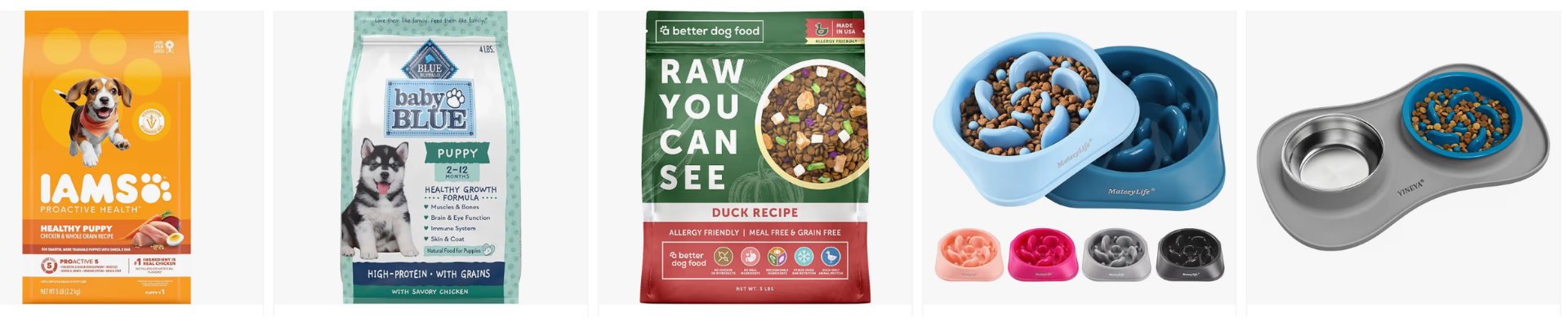
Puppies have different nutritional needs than adult dogs, requiring higher levels of protein , fat , and specific nutrients to support their rapid growth and development. Choosing a high-quality puppy food formulated for your dog’s expected adult size, since large and small breed puppies have different growth rates and nutritional requirements, sets the foundation for healthy development during this critical stage. It’s worth asking your vet for a specific recommendation rather than guessing based on packaging alone.
Alongside the food itself, sturdy, appropriately sized bowls matter more than people expect. Puppies can be clumsy and playful around mealtime, so a bowl with a non-slip base prevents it from sliding around or tipping over mid-meal. Stainless steel bowls are generally preferred over plastic, since plastic can harbor bacteria and some puppies are prone to chewing on it, which isn’t an issue you want to deal with alongside everything else in those first few weeks.
3. A Comfortable Dog Bed
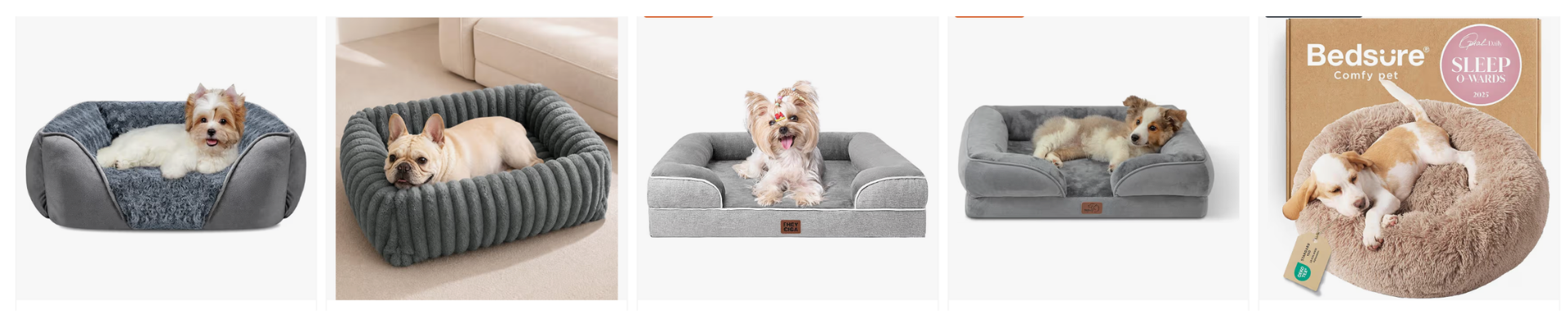
While your puppy will likely spend a good portion of early nights in their crate, having a dedicated dog bed gives them a comfortable spot to rest during the day as they explore their new home. Look for a bed that’s easy to clean , since accidents and muddy paws are inevitable in the early months, and one with a removable, washable cover makes maintenance significantly easier. Puppies also tend to chew, so a durable bed that can withstand some early exploration will save you from replacing it every few weeks.
Placement matters just as much as the bed itself. Positioning it somewhere your puppy can still see and hear the household activity, rather than isolated in a separate room, helps them feel secure during this adjustment period without feeling cut off from their new family. As your puppy grows, you may need to size up the bed, so it’s worth choosing one rated for their expected adult size if you don’t want to repurchase a bigger size down the line.
4. A Collar, Harness, and ID Tag
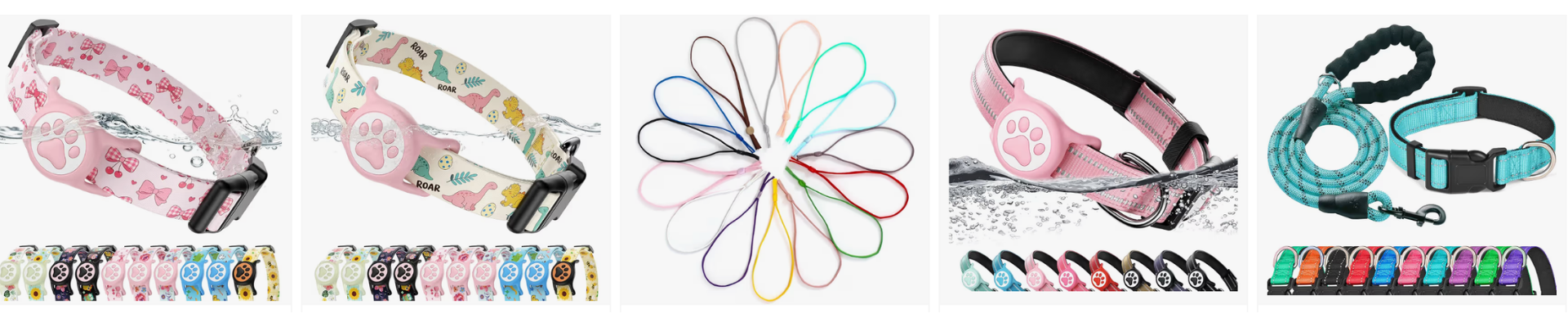
Identification is one of the most important, and most commonly overlooked, items for a new puppy. A collar with an ID tag containing your contact information should go on almost immediately, since puppies are curious, fast, and prone to slipping out of open doors or gates before you’ve had a chance to fully puppy-proof your home. Even if you plan to microchip your dog, a physical tag provides an immediate, easy way for anyone who finds your puppy to reach you.
A harness is also worth having early on, particularly for walks and training, since it distributes pressure across the chest rather than the neck, which is gentler for a developing puppy still learning not to pull. Look for an adjustable harness , since puppies grow quickly and you’ll likely need to resize it every few weeks in the beginning. Getting your puppy comfortable wearing both a harness and harness early makes future walks and vet visits considerably less stressful.
5. A Sturdy Leash
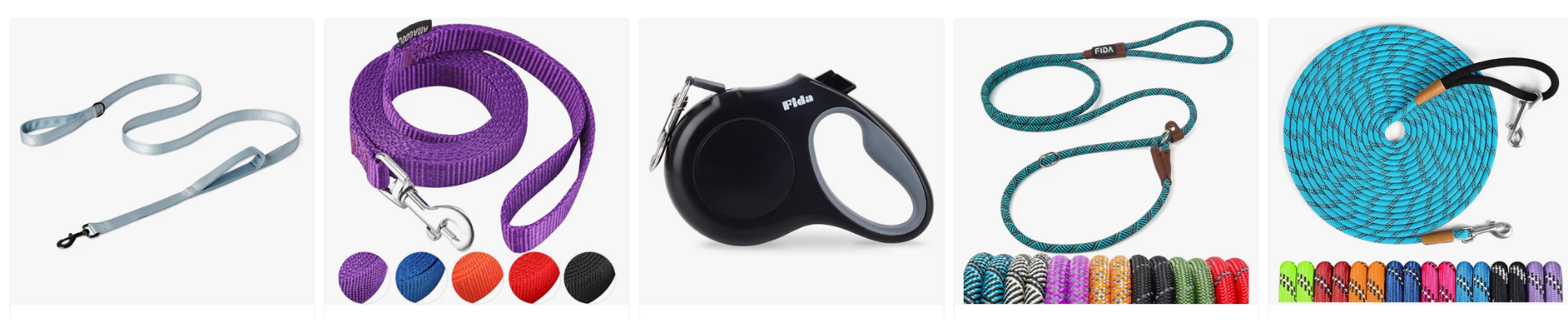
A standard 4 to 6-foot leash is the right choice for a new puppy, giving you enough control for early training and safety without the loose, hard-to-manage length of a retractable leash. Retractable leashes are generally discouraged for puppies specifically, since they make it harder to correct pulling behavior early on and can actually encourage the habit if your puppy learns that pulling gets them more freedom to roam.
Look for a leash with a comfortable handle and a durable clip, since puppies will inevitably test its limits during moments of excitement or distraction. This is also a good time to start basic leash training, using treats and short, positive sessions to teach your puppy to walk calmly beside you rather than pulling ahead, a habit that’s far easier to establish early than to correct later once it’s become routine.
6. Puppy Pads or Housetraining Supplies
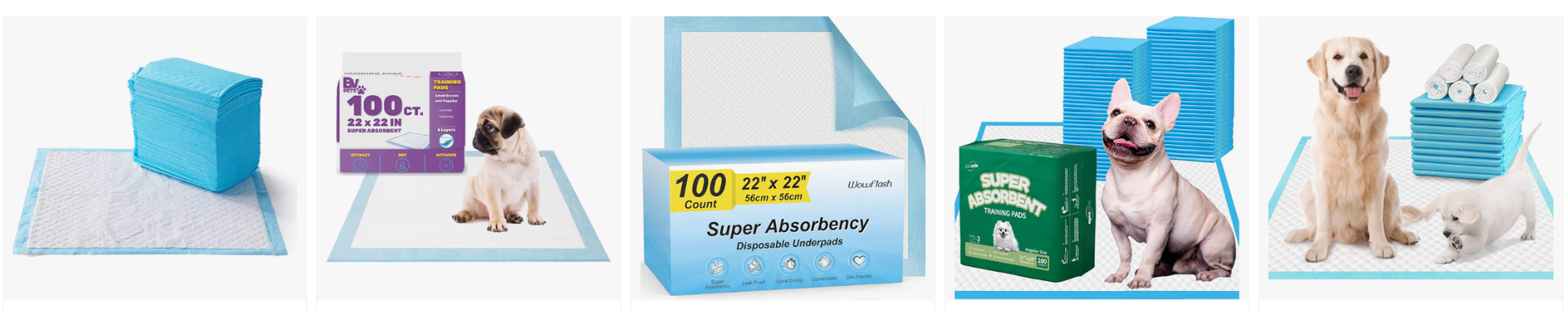
Even with a solid crate training routine, accidents are simply part of raising a puppy, especially in the first few weeks before they’ve fully learned to hold their bladder and communicate the need to go outside. Puppy pads give you a designated indoor spot for those inevitable early accidents, which is particularly useful if you live in an apartment without immediate outdoor access or are dealing with harsh weather during the housetraining period.
Alongside the pads themselves, an enzymatic cleaner is essential for actually breaking down the odor from accidents, rather than just masking it with a standard household cleaner. Dogs are drawn back to spots that still smell like previous accidents, even if you can’t detect it yourself, so using a cleaner specifically designed to eliminate the odor at a molecular level helps prevent your puppy from repeatedly targeting the same spot in your home.
7. Chew Toys
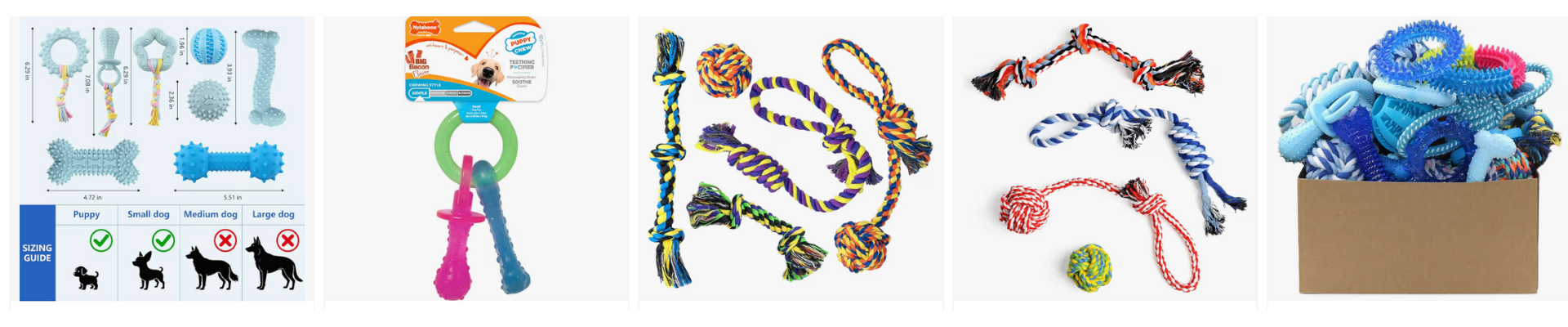
Puppies chew, it’s an unavoidable part of teething and general exploration, and having appropriate puppy chew toys on hand gives them a productive outlet instead of your furniture, shoes, or baseboards taking the hit. Look for a variety of textures and firmness levels, since different toys satisfy different chewing needs, softer toys for general play, and more durable options for the intense teething phase when your puppy’s gums are especially sore.
Rotating toys every few days keeps your puppy more engaged, since a toy that’s been out constantly tends to lose its novelty and appeal. Freezable chew toys , ones that can be filled with a bit of wet food or broth and frozen, are particularly effective during teething, since the cold helps numb sore gums while giving your puppy a longer-lasting activity to focus on.
8. A Baby Gate or Exercise Pen
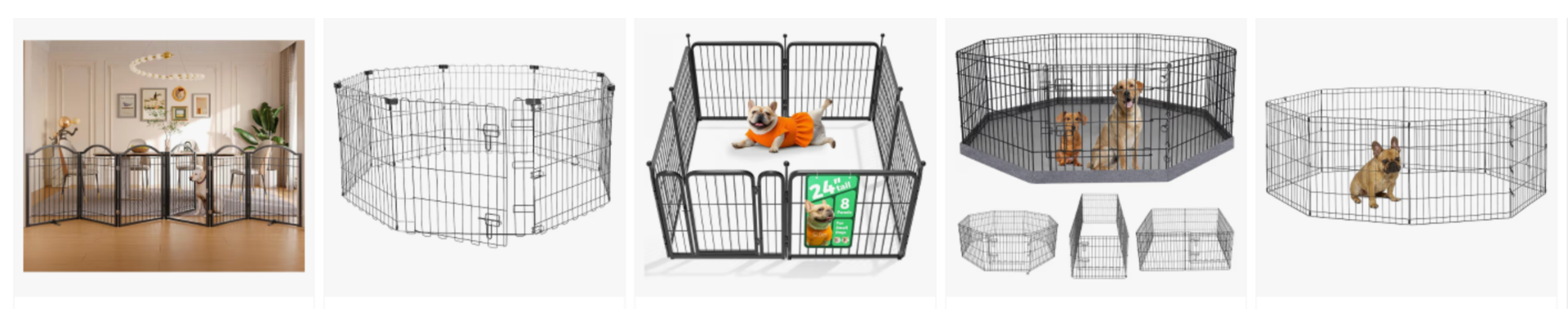
Puppy-proofing your entire home immediately isn’t always realistic, which is where a baby gate or exercise pen becomes incredibly useful. These let you section off a manageable area of your home where your puppy can safely explore, play, and rest without unsupervised access to the entire house, reducing both the risk of accidents and the potential for them to get into something dangerous while you’re not watching.
This is especially helpful during the early weeks when your puppy is still learning the rules of the house and you can’t realistically supervise them every single minute. An exercise pen offers more flexibility than a fixed gate, since it can be reconfigured into different shapes and moved to different rooms as needed, giving your puppy a consistent safe zone no matter where you happen to be working or relaxing that day.
9. Grooming Supplies
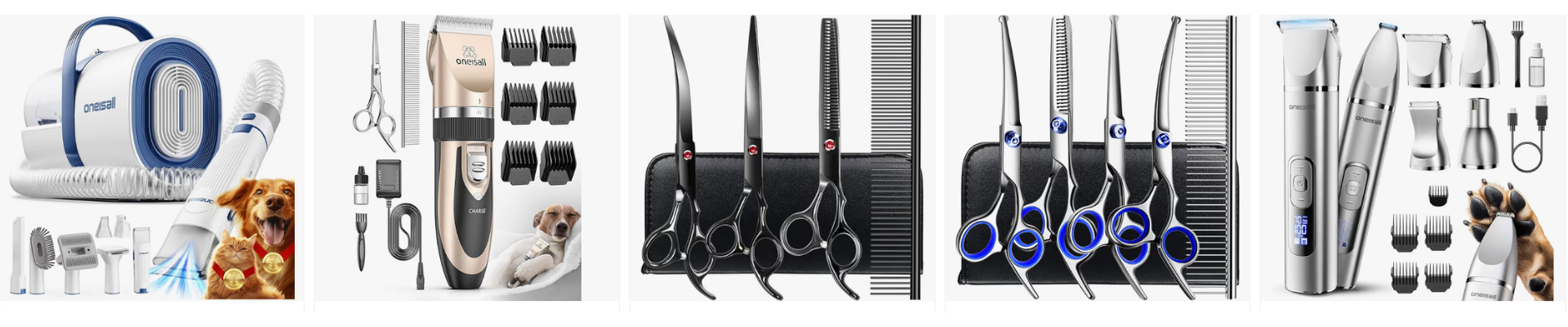
Getting your puppy comfortable with grooming early sets the foundation for a much easier experience as they grow into an adult dog. A basic grooming kit , including a brush suited to your puppy’s coat type, nail clippers, and a gentle puppy-formulated shampoo, lets you start building these routines from the beginning rather than introducing them later when your dog may be more resistant to handling.
Short, positive grooming sessions, even just a few minutes of brushing or handling their paws, help your puppy associate the process with calm attention rather than stress. This becomes especially valuable when it’s time for actual baths, nail trims, or vet visits, since a puppy accustomed to being handled regularly tends to be significantly less anxious about these experiences than one encountering them for the first time as an adult.
10. Poop Bags and a Dispenser
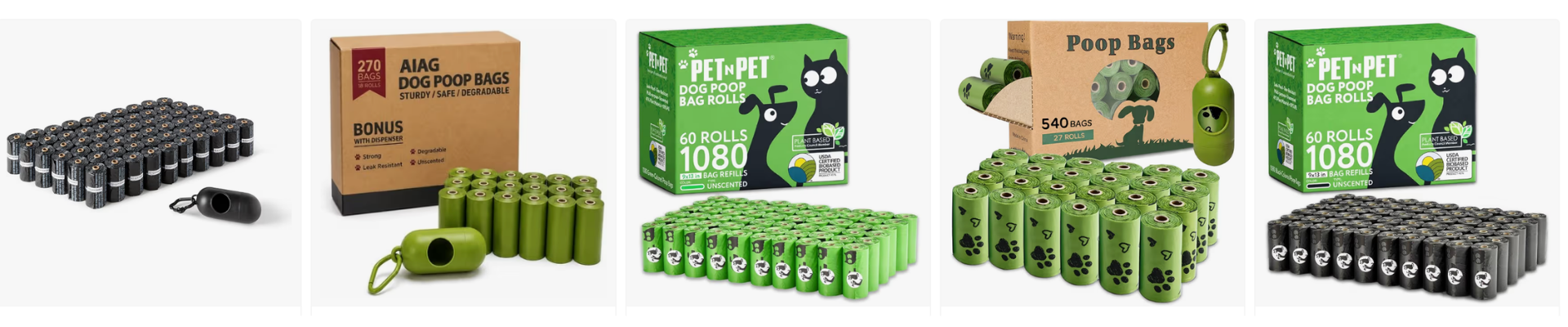
Poop Bag is a small, practical item, but an essential one from day one, especially once your puppy starts regular walks outside. A dispenser clipped to your leash keeps bags readily accessible without having to remember a separate roll every time you head out the door, and buying in bulk upfront saves you from running out at an inconvenient moment.
Beyond the basic necessity, this is also a good habit to establish early, both for your own routine and for being a responsible presence in your neighborhood or local dog park. It’s a minor detail in the grand scheme of puppy ownership, but it’s one of those things you’ll be grateful to have sorted out before you actually need it mid-walk.
11. A Puppy First Aid Kit
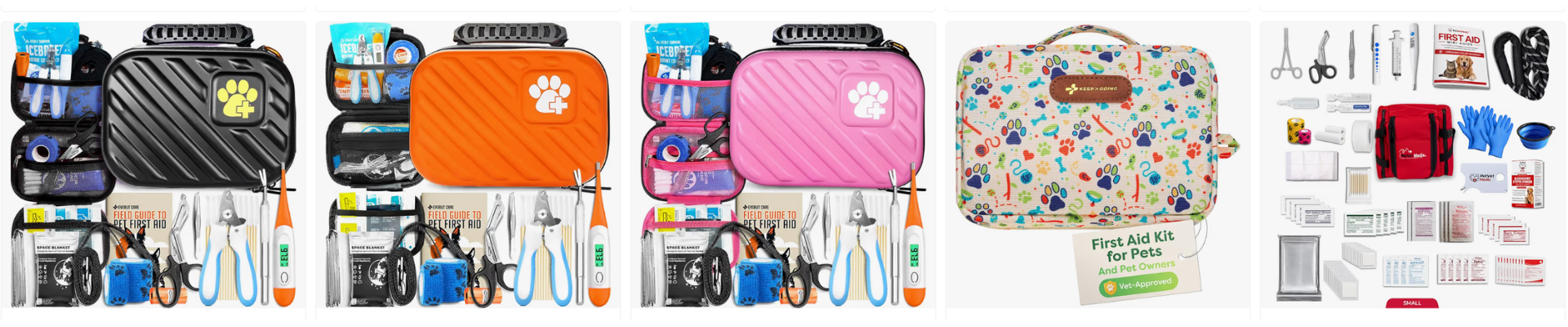
Puppies are naturally curious and prone to minor scrapes, cuts, or upset stomachs as they explore their new environment. A basic puppy first aid kit with items like gauze, adhesive tape, tweezers, and a pet-safe antiseptic covers most minor incidents without requiring an immediate vet visit for every small issue. It’s worth asking your vet what they specifically recommend keeping on hand for your puppy’s breed and size.
Beyond physical supplies, it’s worth having your vet’s contact information, along with the number for the nearest emergency animal hospital, saved somewhere easily accessible, like your phone or posted on the fridge. Having this ready before an emergency happens means you’re not scrambling to find information during a stressful moment, which matters more than people expect when something actually goes wrong.
12. Training Treats

Positive reinforcement is one of the most effective ways to train a new puppy, and having small, soft training treats on hand makes it easy to reward good behavior in the moment, whether that’s responding to their name, sitting on command, or simply not chewing on the coffee table leg. Soft treats are generally preferred over hard, crunchy ones for training purposes, since they can be consumed quickly without interrupting the flow of a training session.
It’s worth choosing treats specifically sized for puppies and portioned carefully, since frequent training sessions throughout the day can add up in calories if you’re not paying attention. Many owners find it helpful to use a portion of their puppy’s regular kibble as training treats throughout the day, which keeps caloric intake in check while still providing effective positive reinforcement during those critical early weeks of learning.
13. An Enzymatic Cleaner and Stain Remover
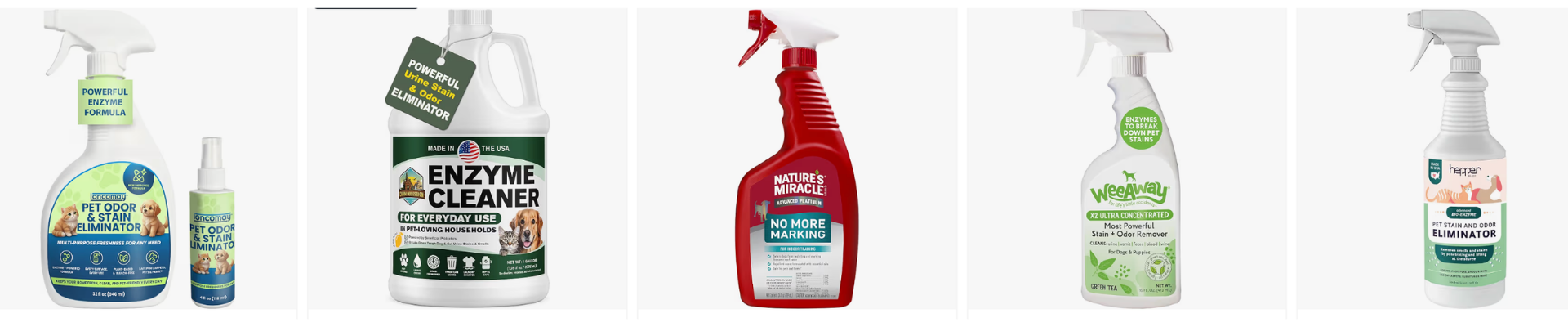
Accidents are inevitable, and having a dedicated pet-safe cleaner ready before your puppy arrives saves you from scrambling for solutions during an already stressful moment. Enzymatic cleaners specifically break down the proteins in urine and other accidents at a molecular level, which is far more effective at eliminating odor than standard household cleaners that only mask the smell temporarily.
Keeping this on hand from day one, rather than waiting until the first accident happens, means you can address messes immediately and thoroughly, which is a meaningful part of successful housetraining. The faster and more completely you eliminate the smell of a previous accident, the less likely your puppy is to return to that same spot out of habit.
14. A Puppy Playpen or Safe Outdoor Space
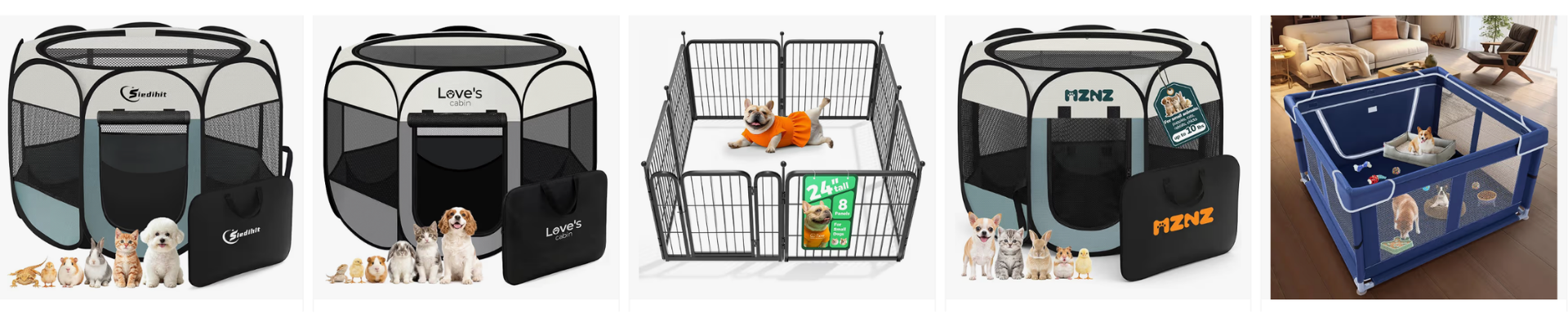
If you have a yard, having a designated, secure area for your puppy to play and explore outdoors gives them a safe space to burn energy without needing constant direct supervision the way unrestricted yard access might require. This is particularly useful if your yard isn’t fully fenced or has areas with plants, pools, or other hazards you’re not ready to puppy-proof immediately.
A portable playpen also works well for outdoor use when you’re at a park, visiting family, or anywhere else that doesn’t have a controlled, familiar environment. It gives your puppy room to move and play while keeping them contained and safe, which is especially valuable in the early months before their recall training is reliable enough to trust them off-leash in an unfamiliar or unfenced space.
Final Thoughts
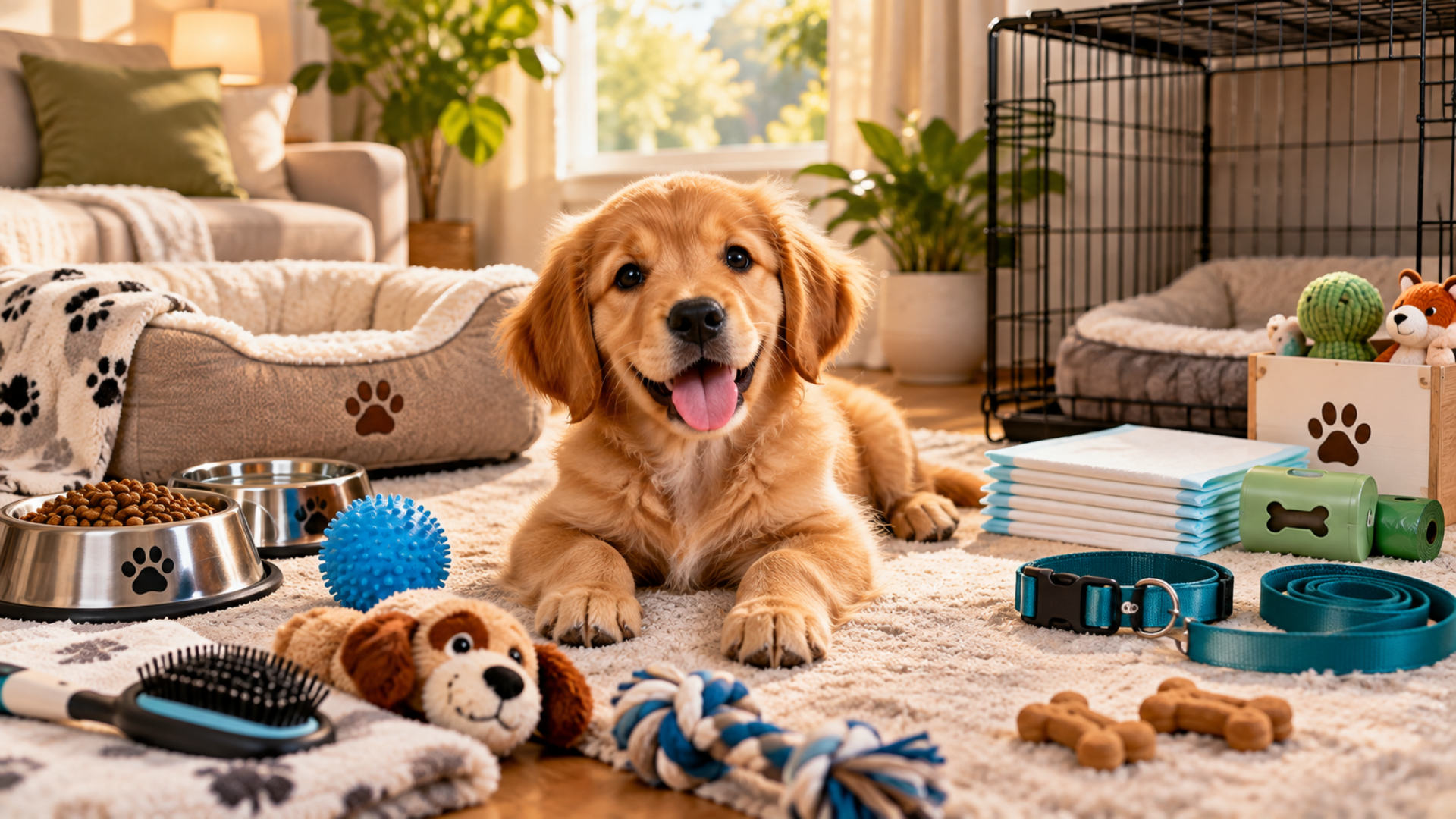
You don’t need every single item on this list before your puppy’s first day home, but having the essentials ready, a crate , appropriate food , a collar with ID , and basic housetraining supplies , makes those first chaotic days significantly more manageable.
From there, you can build out the rest of your setup as you get to know your puppy’s specific personality, energy level, and needs. Bringing home a new puppy is a big adjustment for everyone involved, but a little preparation goes a long way toward making that transition smooth, safe, and genuinely enjoyable for both of you.