

|
This post may contain affiliate links, which means that we may receive a commission if you make a purchase using these links. As an Amazon Associate, we earn commission from qualifying purchases.
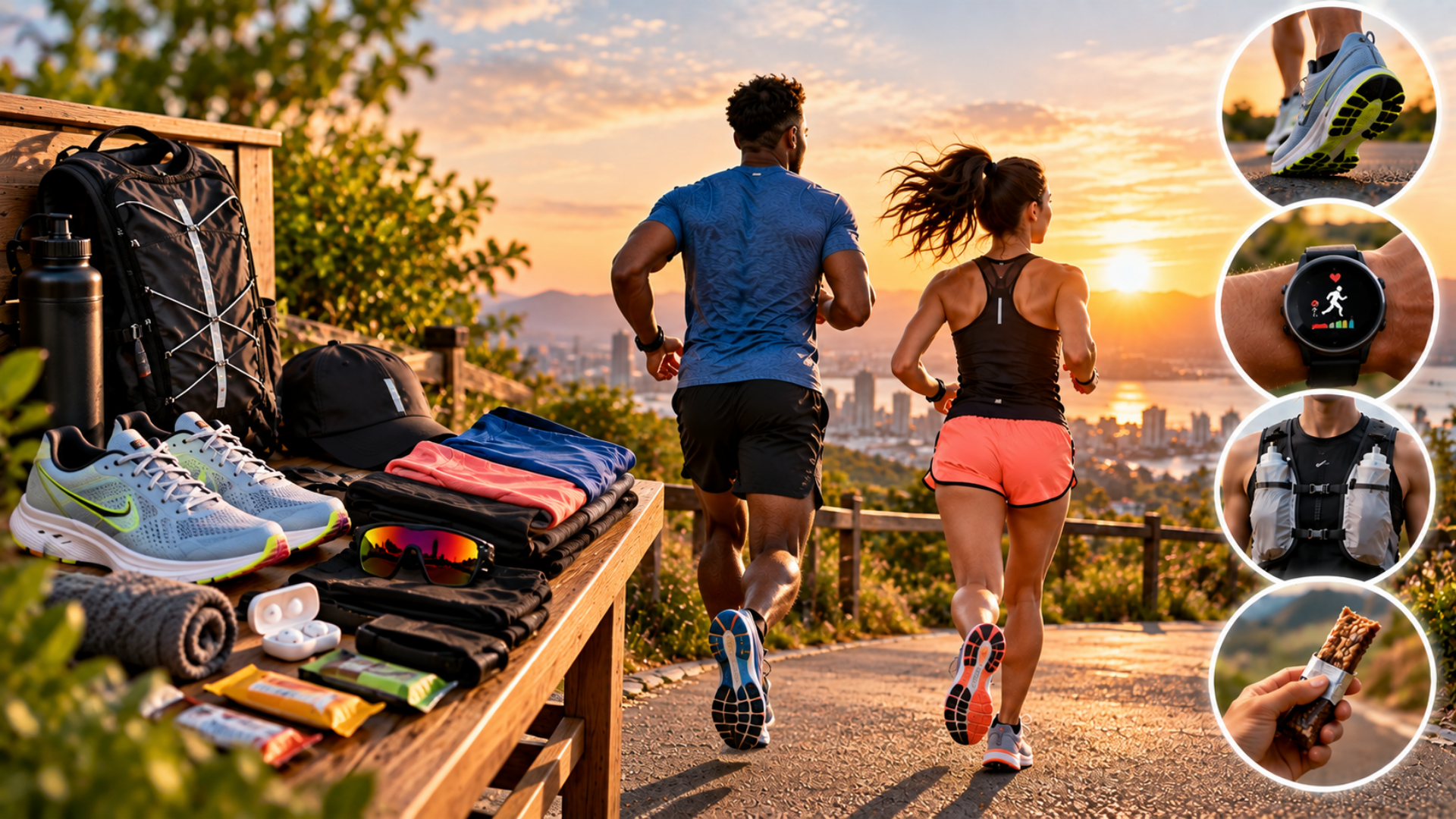
Running is one of the most accessible fitness sports out there, technically all you need is a pair of shoes and a road. But if you’ve ever started running with the wrong gear, you probably already know how quickly blisters, chafing, or an uncomfortable sports bra can turn a promising new habit into something you dread.
The right equipment won’t make running easy, but it removes the unnecessary friction that causes so many beginners to quit within the first few weeks. This guide walks through everything worth considering to help you start running in a way that’s comfortable, sustainable, and actually enjoyable.
1. A Proper Pair of Running Shoes
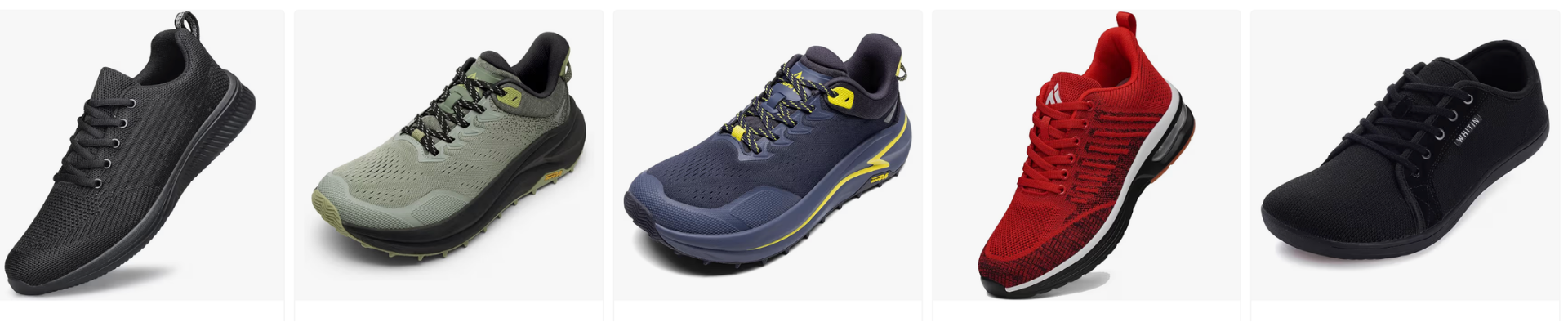
This is the single most important purchase on this entire list, and it’s not the place to cut corners. Running shoes are designed with cushioning, support, and flexibility patterns specific to the repetitive impact of running, which is fundamentally different from the demands of walking or general athletic shoes. Wearing the wrong shoes is one of the leading causes of common beginner injuries like shin splints, knee pain, and plantar fasciitis, all of which can sideline you before you’ve even built any real momentum.
Rather than guessing your size and style online, it’s worth visiting a specialty running store where staff can analyze your gait and foot arch to recommend a shoe that matches how your foot actually moves. Some runners overpronate, some underpronate, and some have a neutral stride, and the right shoe accounts for this rather than assuming a one-size-fits-all approach. Once you know your ideal shoe type, you can shop around for the best price, but that initial fitting is worth the trip for anyone serious about starting a running habit that lasts.
2. Moisture-Wicking Running Apparel
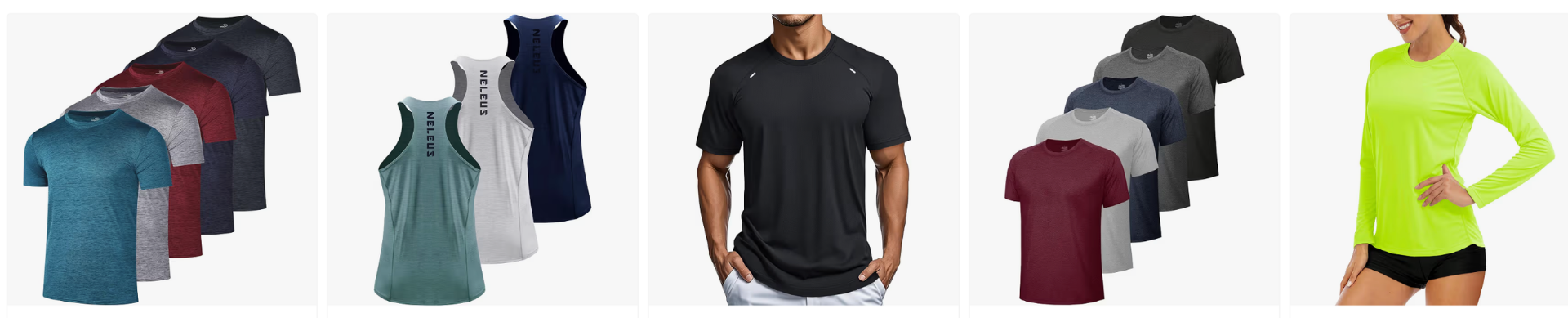
Cotton t-shirts and regular gym shorts might seem fine for a casual jog, but they hold onto sweat instead of pulling it away from your skin, which leads to chafing, discomfort, and that heavy, soggy feeling on longer runs. Moisture-wicking fabrics are designed specifically to pull sweat away from your body and allow it to evaporate quickly, keeping you noticeably more comfortable as your runs get longer and more frequent.
Beyond the fabric itself, look for running-specific cuts that reduce friction in high-contact areas like the inner thighs and underarms, since regular athletic wear isn’t always designed with running’s repetitive motion in mind. In colder weather, a moisture-wicking base layer paired with a lightweight, breathable outer layer keeps you warm without overheating once your body starts generating heat a few minutes into your run. This is one of those upgrades that seems minor until you experience a long run without chafing for the first time and realize how much discomfort you’d simply been accepting as normal.
3. A Supportive Sports Bra (For Runners Who Need One)
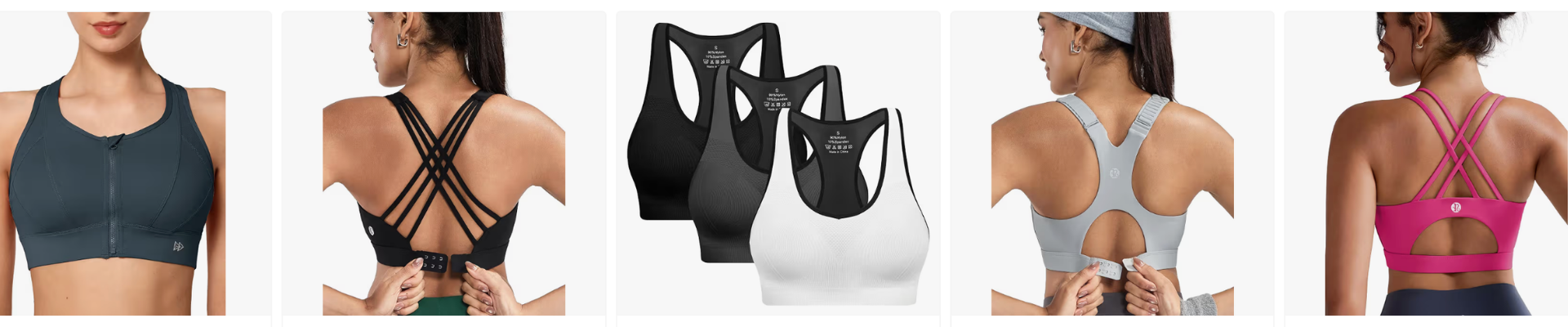
For anyone who needs one, a proper sports bra is not optional equipment, it’s essential. Running involves significant vertical and lateral movement, and a bra that isn’t built for high-impact activity simply won’t provide the support needed to prevent discomfort or long-term tissue damage. A poorly fitted sports bra is also one of the most common reasons people find running physically uncomfortable, often without realizing the bra itself is the actual problem.
Look for a high-impact sports bra specifically designed for running, rather than a general athletic bra meant for lower-intensity activities like yoga or walking. Getting properly fitted, either in-store or through an at-home measuring guide, makes a significant difference, since band and cup sizing for sports bras often differs from standard bra sizing. This is genuinely one of the most underrated pieces of running gear, and getting it right can be the difference between dreading your runs and actually looking forward to them.
4. Moisture-Wicking Socks
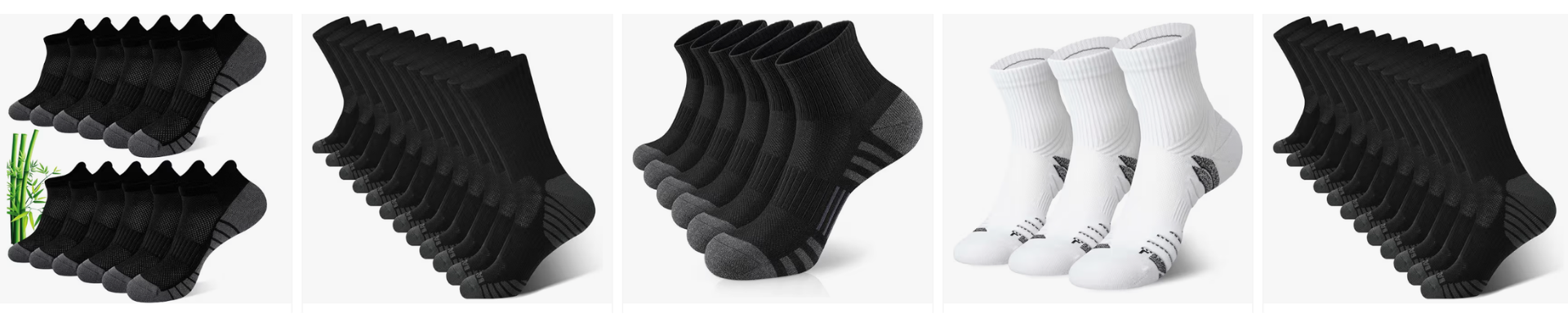
Regular cotton socks might seem like a minor detail, but they’re a surprisingly common cause of blisters, since cotton holds moisture against your skin and creates friction with every step. Running-specific socks are made from moisture-wicking materials that keep your feet drier, and many include extra cushioning in high-impact areas like the heel and ball of the foot to reduce the repetitive stress of each stride.
Seamless construction is another detail worth paying attention to, since seams that rub against your skin over the course of a long run are a common source of irritation that most people don’t think about until it’s too late. Some runners also prefer socks with individual toe pockets , similar to gloves for your feet, which can further reduce friction between toes on longer distances. It’s a small investment, but anyone who has dealt with a blister mid-run knows exactly why proper socks matter.
5. A Running Watch or Fitness Tracker
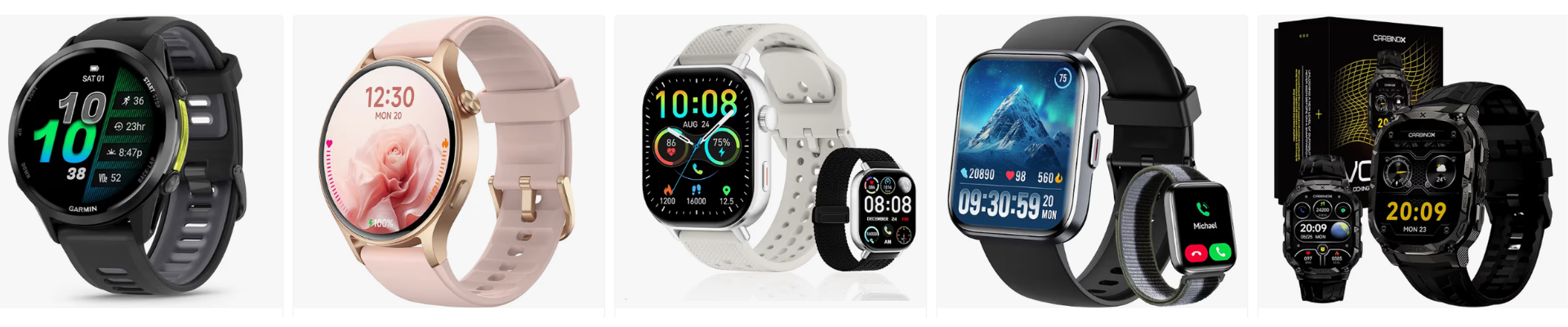
Tracking your pace, distance, and heart rate gives you concrete data to understand your progress, which is especially motivating in the early weeks when improvements can be hard to notice just by how a run feels. A running watch with GPS lets you track your route and distance accurately without relying on guesswork or pre-measured paths, and many models also monitor heart rate, which is useful for training at the right intensity rather than constantly pushing too hard.
Beyond motivation, this kind of data helps you avoid the common beginner mistake of increasing mileage or intensity too quickly, which is one of the most frequent causes of overuse injuries. Even a basic running watch , rather than a premium multi-sport model, gives you enough information to structure your training sensibly and notice patterns over time, like which days you tend to run faster or how your resting heart rate changes as your fitness improves.
6. A Hydration Belt or Handheld Water Bottle
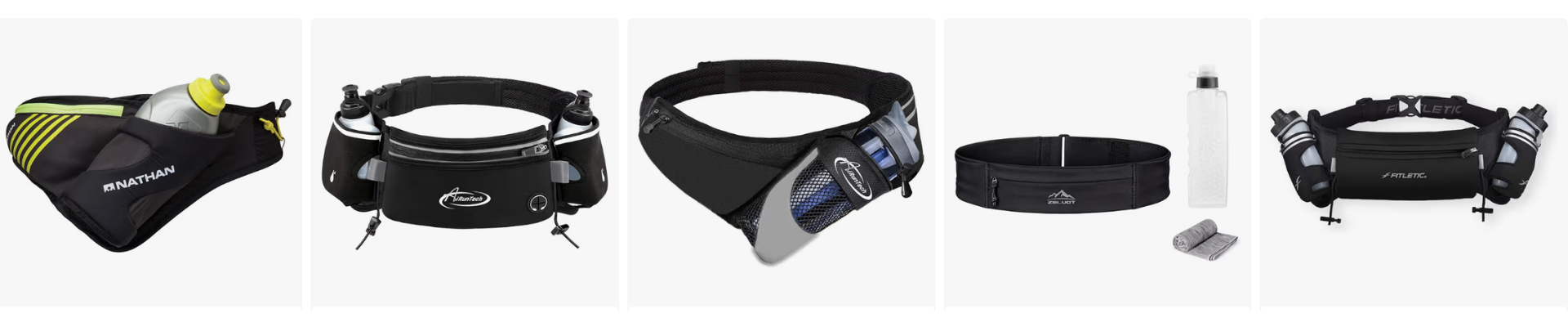
Once your runs start extending beyond 30 to 45 minutes, staying hydrated becomes genuinely important, especially in warmer weather. A hydration belt distributes water bottles or a bladder around your waist, keeping your hands free while still giving you access to fluids without having to plan a route around water fountains. Handheld water bottles are a lighter, simpler alternative for shorter runs, though some runners find them awkward to hold for extended periods.
The right choice really depends on your typical run length and personal preference, some runners find belts bouncy or uncomfortable, while others dislike carrying anything in their hands. If you’re just starting out with shorter runs, this might not be an immediate necessity, but it’s worth having on hand as your distances increase and hydration becomes a bigger factor in how you feel during and after a run.
7. A Foam Roller
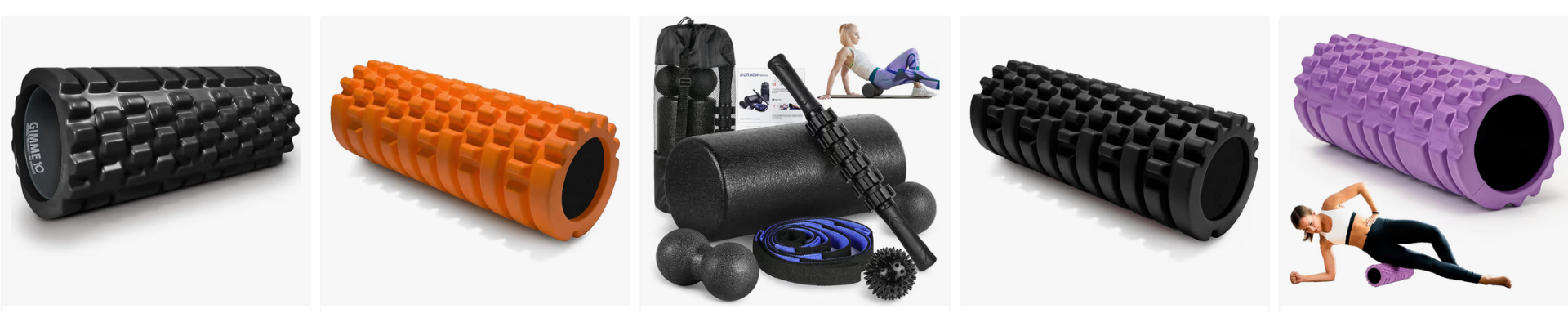
Muscle soreness is a natural part of starting any new physical activity, and a foam roller is one of the most effective tools for managing it. Rolling out your calves, quads, hamstrings, and IT band after a run helps release muscle tightness and improve blood flow to the area, which can reduce soreness and improve recovery time between runs. This becomes especially important as you increase your mileage, since tight, undertreated muscles are a common contributor to running-related injuries.
Using a foam roller doesn’t need to be complicated, even five to ten minutes after a run, focusing on your major leg muscles, can make a noticeable difference in how you feel the next day. Some runners also use it as part of a pre-run warm-up to loosen tight muscles before hitting the pavement. It’s an inexpensive tool, but one that consistently gets recommended by experienced runners for good reason.
8. A Running Belt or Armband for Your Phone
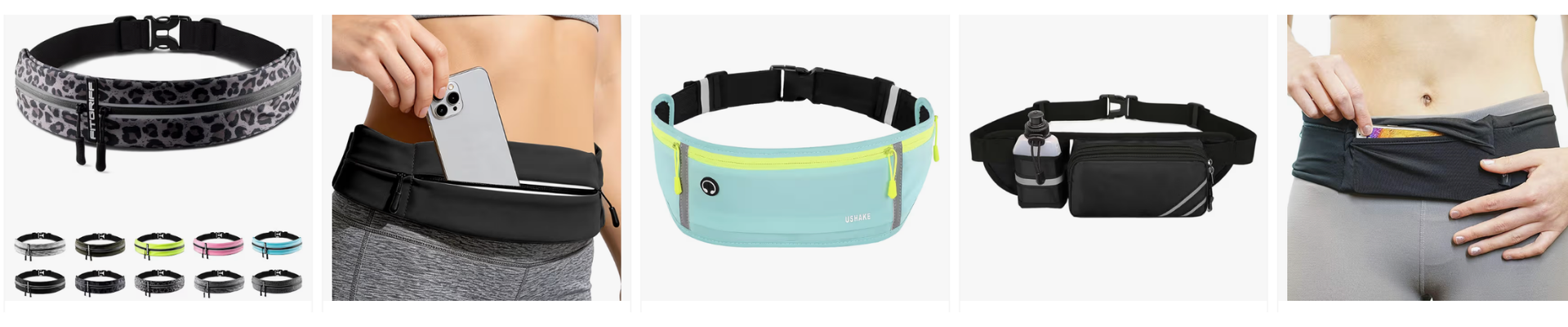
Carrying your phone while running is often necessary, whether for music, tracking apps, or just safety, but stuffing it in a pocket usually means it bounces uncomfortably or falls out entirely. A running belt with a phone pouch keeps it secure around your waist, while an armband is a lighter alternative that keeps your phone accessible without needing pockets at all.
Beyond convenience, having your phone secured properly means you can actually use running apps for pace tracking or guided workouts without constantly readjusting your grip or worrying about dropping it. Some running belts also include small pouches for keys, cards, or gels, which is particularly useful for longer runs where you might need to carry a bit more than just your phone.
9. Anti-Chafe Balm
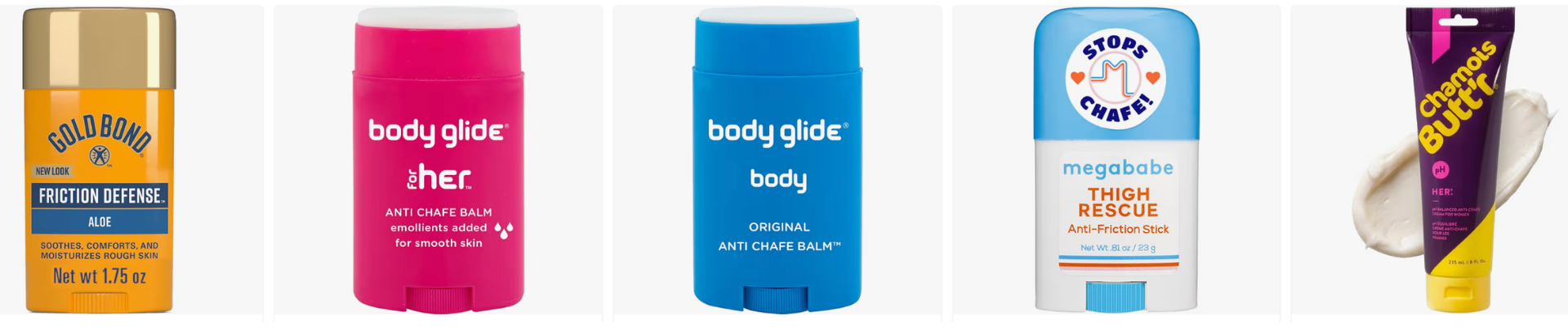
Chafing is one of those problems nobody warns beginners about until they’ve already experienced it firsthand, usually somewhere between the thighs, underarms, or wherever fabric repeatedly rubs against skin. Anti-chafe balm creates a protective barrier that reduces friction in these high-contact areas, and applying it before a run is a simple habit that prevents a genuinely miserable post-run experience.
This becomes especially important as your mileage increases, since chafing tends to get worse the longer you’re moving, and what feels like a minor irritation at the 10-minute mark can become raw and painful by the end of a longer run. It’s a small, inexpensive product, but it’s one of those things experienced runners never skip, precisely because they remember what running without it felt like.
10. A Reflective Vest or Gear for Low-Light Running
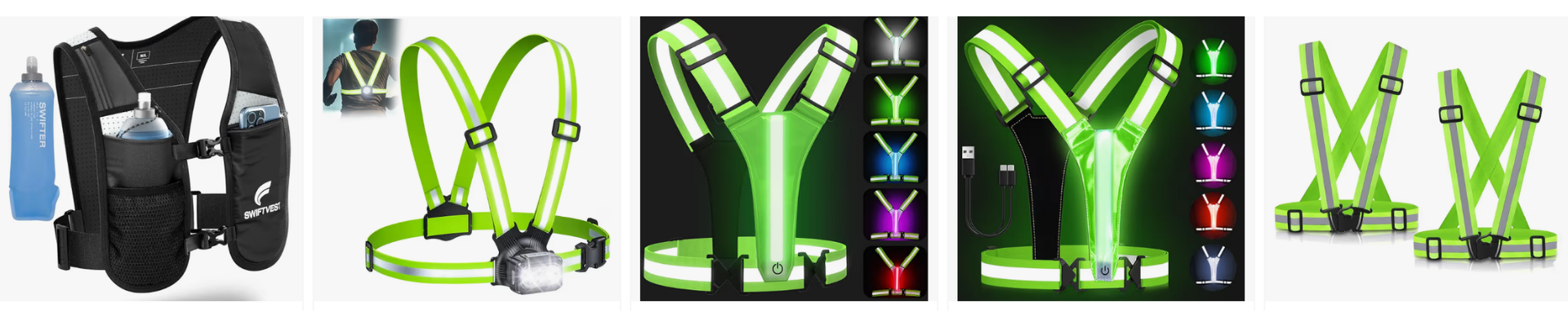
If your schedule means running early in the morning or in the evening, visibility becomes a genuine safety concern, not just an accessory choice. A reflective vest , or clothing and shoes with built-in reflective elements, makes you significantly more visible to drivers and cyclists in low-light conditions, which matters most on roads without dedicated running paths.
Beyond a vest, a small clip-on light or any running light adds another layer of visibility while also helping you see uneven pavement or obstacles on unfamiliar routes in the dark. This is one of those items that’s easy to skip when you’re just starting out and running during daylight, but becomes essential the moment your schedule shifts to earlier or later hours.
11. A Running App or Training Plan

Structure matters, especially for beginners trying to build a sustainable habit rather than just running until they’re exhausted and then giving up out of frustration. A running app with a beginner training plan, like a couch-to-5K program, gradually increases your running time and distance in a way that builds fitness safely while reducing the risk of overtraining or injury.
These programs typically mix walking and running intervals in the early weeks, which feels far more manageable than attempting to run continuously from day one. Beyond the training structure, many apps include community features, achievement tracking, and audio cues that keep you motivated and informed about your pace without needing to constantly check a watch. For most beginners, following a structured plan is the difference between running becoming a genuine habit and burning out within the first couple of weeks.
Final Thoughts
You don’t need every item on this list to go for your first run tomorrow, a solid pair of properly fitted shoes is genuinely enough to get started. But as your mileage builds and running becomes a more regular part of your routine, these additions address the specific friction points, literal and figurative, that tend to derail new runners early on.
Start with the essentials, listen to what your body actually needs as you progress, and build out your gear from there. Running rewards consistency more than intensity, and the right equipment simply makes that consistency easier to maintain.